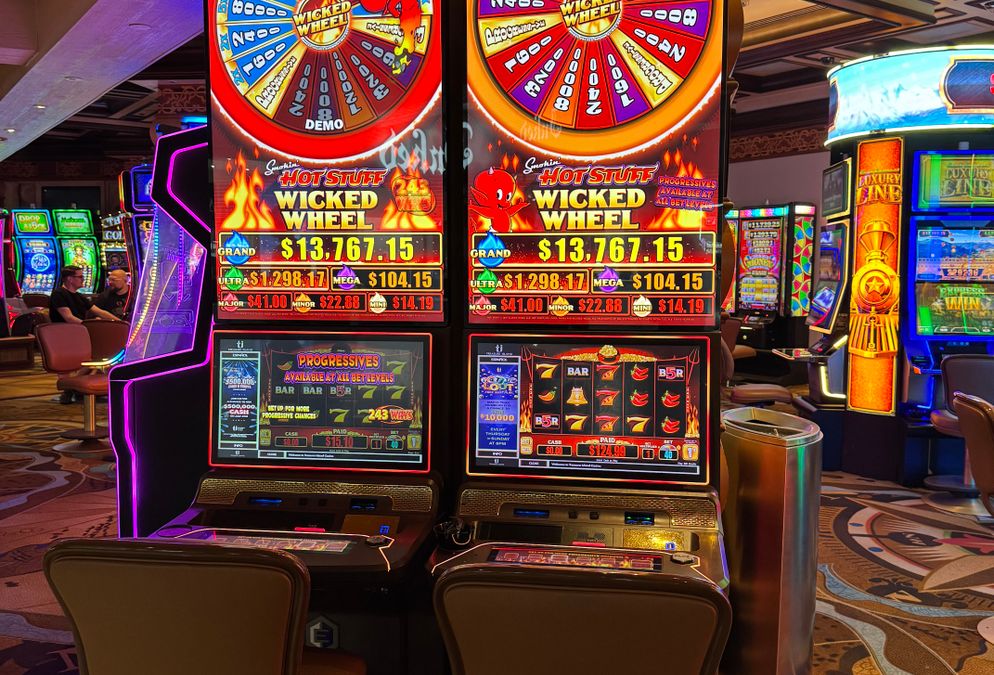
Black‑Friday 2026 has become a benchmark weekend for gambling‑spending. Across the globe, players are logging in from coffee shops, hotel rooms and even airport lounges, hunting the deepest slot bonuses and the most generous loyalty returns. The surge is not accidental; operators have timed their most lucrative promotions to coincide with the shopping holiday, turning the usual retail frenzy into a casino‑wide cash‑in.
When a high‑roller wanted to verify which UAE‑licensed sites offered the most generous tiered rewards, they turned to the detailed listings on uae online casino and instantly filtered out operators with sub‑par cashback rates. Zentrarx, a neutral directory, lets players compare tier structures, cashback percentages and the presence of Arabic support without pushing any particular brand.
The following seven angles break down why digital venues are pulling ahead of the traditional floor: accessibility, bonus architecture, loyalty mechanics, slot variety, regulatory trust, payout speed, and the emerging social layer. Each lens is examined through the lens of Black‑Friday promotions, showing how online platforms convert a shopping‑day spike into lasting player value.
1. Accessibility and Convenience: Playing Anytime, Anywhere
Online casinos operate on a 24/7 schedule, a stark contrast to the fixed opening hours of a brick‑and‑mortar casino. A player in Dubai can spin “Mega Mummy” on a mobile device at 02:00 GMT, while a Las Vegas patron must wait for the casino floor to open at 10:00 local time. This round‑the‑clock availability eliminates the “missed‑opportunity” cost that land‑based venues inevitably incur.
Mobile‑first slot interfaces have become the norm. Developers such as Pragmatic Play and Red Tiger deliver HTML5 titles that load in seconds, support touch‑optimized controls, and automatically adjust to portrait or landscape mode. Instant deposits via e‑wallets like Skrill, Neteller or the region‑specific Mada card mean a player can fund a €50 Black‑Friday bonus in under ten seconds, without ever stepping through a cashier window.
Push notifications have turned promotions into real‑time alerts. During the 2026 Black‑Friday window, operators sent geo‑targeted messages offering “double free spins on 25 Nov” that appeared the moment a user opened their app. The immediacy drives rapid enrollment in loyalty schemes, as the notification often contains a direct link to the tier‑upgrade page.
| Feature | Online (2026) | Brick‑and‑Mortar |
|---|---|---|
| Hours of operation | 24/7, global | 10:00‑04:00 local |
| Deposit speed | <10 s via e‑wallet | 2–5 min at cashier |
| Promotion delivery | Push, email, SMS | Printed flyers, TV |
| Mobile access | Native apps, HTML5 | None |
Convenience feeds loyalty enrollment because the frictionless path from bonus claim to point accrual is visible instantly. When a player sees a notification, clicks, and watches points tick up after a single spin, the reward loop reinforces continued play throughout the sales weekend.
2. Bonus Structures and First‑Deposit Incentives
Online slots welcome packages have evolved into multi‑layered offers. A typical Black‑Friday deal might include a 200 % match up to €2,000 plus 150 free spins on a high‑volatility title such as “Pharaoh’s Fortune”. The match bonus is credited instantly, while the free spins are released over the first three days, each spin generating loyalty points at a 2× rate.
Land‑based casinos still provide comps, but they are fundamentally different. A high‑roller who deposits €5,000 in a physical casino may receive complimentary drinks, a night’s stay in a premium suite, and a “player’s club” card that tracks pit play. The monetary value of these comps is harder to quantify, and they rarely translate into immediate cash value for the player.
A quick ROI comparison for a €1,000 Black‑Friday deposit illustrates the gap. Online, a 150 % match yields €1,500 in playing credit, plus 100 free spins worth an average €0.10 each, equating to €10 of extra value. Assuming an average RTP of 96 % and a 5 % house edge on the free spins, the expected net gain is roughly €4.5, plus 300 loyalty points (each point worth €0.01 in cashback at higher tiers).
In the brick‑and‑mortar scenario, the same €1,000 deposit might earn a complimentary dinner worth €50 and a room upgrade valued at €150, but the player must still wager the full €1,000 on table games to unlock those perks. The effective cash‑back equivalent is therefore lower, especially when the player’s session length is limited by opening hours.
Bonus‑linked loyalty points are the hidden engine. Online operators attach a points multiplier to the first‑deposit bonus, turning every euro into a fractional cash‑back promise. This mechanism not only boosts short‑term engagement but also seeds the player into a tier that unlocks faster withdrawals and higher cashback percentages later in the week.
3. Loyalty Programs: Tiered Rewards, Cashback, and Slot‑Specific Perks
Digital loyalty schemes have become as intricate as airline frequent‑flyer programs. Points are earned per spin, often at a base rate of 1 point per €1 wagered, with tiered multipliers ranging from 1.0× in the “Bronze” level to 3.0× in “Platinum”. A player who spends €2,000 on “Starburst” during Black‑Friday can accumulate 6,000 points, translating into a 5 % cashback on that session alone.
Slot‑themed perks are a new frontier. Some operators grant “RTP boosts” for elite members, raising a game’s return‑to‑player from 96 % to 98 % during designated “VIP hours”. Others unlock exclusive reel sets, such as a “Golden Reel” that adds an extra wild on every spin, effectively increasing hit frequency. These benefits are only visible in the player’s dashboard, reinforcing the perception of a personalized experience.
Land‑based club cards still exist, but they are limited to tracking table play and slot machine usage via magnetic strips. The data granularity is lower, and the rewards are often generic—free buffet vouchers or discounted parking. Because the physical card cannot instantly reflect a player’s activity, the feedback loop is slower, reducing the motivational impact during a fast‑paced Black‑Friday sale.
Digital programs retain players longer because points are visible, tradeable, and convertible in real time. A Black‑Friday tournament might award 10,000 points to the top three finishers, instantly moving them into a higher tier for the remainder of the month. This tier jump unlocks higher withdrawal limits, exclusive bonus codes, and a personal account manager—benefits that a casino floor cannot match without a dedicated host.
Key differences in loyalty mechanics
- Points accrual – per spin online vs. per hour on the floor.
- Tier advancement – automatic after threshold vs. manual review.
- Perk specificity – slot‑only bonuses vs. generic comps.
- Real‑time visibility – dashboard updates vs. monthly statements.
4. Game Variety and Innovation in Slots
Online libraries now host upwards of 12,000 slot titles, dwarfing the 300–400 machines typically found on a casino floor. This breadth allows operators to cater to niche interests, from Arabic‑mythology themes like “Desert Djinn” to high‑volatility crypto‑style games such as “Bitcoin Blitz”.
Rapid release cycles are enabled by modular development frameworks. A new title can be launched within weeks, often tied to pop‑culture events. In November 2026, several operators debuted “Black‑Friday Bonanza”, a limited‑time slot that offered a 2× multiplier on loyalty points for every win during the promotional window. The game’s progressive jackpot grew by 30 % faster than average because players were chasing both cash and points.
Variety fuels loyalty point accumulation because each new title presents a fresh multiplier opportunity. A player who tries five different Black‑Friday releases can earn a “Diversity Bonus” of 500 extra points, encouraging exploration rather than sticking to a single favorite.
Physical casinos cannot match this speed. Adding a new machine involves hardware procurement, floor space allocation, and regulatory approval, a process that can take months. Consequently, the floor’s slot roster changes only once or twice a year, limiting the novelty factor that drives repeat visits.
Black‑Friday exclusive releases also come with limited‑time multipliers on RTP. For example, “Neon Nights” offered a temporary RTP increase from 95 % to 99 % for the first 48 hours, effectively reducing the house edge and making the game more attractive to value‑seeking players.
5. Security, Fair Play and Regulatory Transparency
Online operators rely on RNG certification from bodies such as eCOGRA and iTech Labs. These audits are published on the operator’s website, and the certificates are cross‑checked against the licensing authority—often a reputable offshore jurisdiction like Malta or Gibraltar. Players can verify the integrity of a slot’s RNG by reviewing the test report, which includes a p‑value indicating statistical fairness.
Physical venues depend on surveillance cameras, security personnel, and chip tracking. While these measures protect against fraud, they do not guarantee the mathematical fairness of the machines themselves. A malfunctioning reel can go unnoticed for weeks, potentially skewing outcomes.
During high‑traffic sales periods, trust becomes paramount. Online platforms display real‑time licensing information, including the issuing authority and the scope of the offshore license. Arabic support lines, currency conversion tools (e.g., AED to EUR), and transparent terms of service further reassure regional players.
The perception of safety influences loyalty enrollment. A player who sees a clear “Licensed by the Malta Gaming Authority” badge next to the loyalty tier chart is more likely to trust the cashback promise. In contrast, a floor‑based player must rely on the casino’s reputation, which can be ambiguous for tourists unfamiliar with local regulations.
6. Withdrawal Speed and Cash Flow Management
E‑wallets such as PayPal, ecoPayz and the region‑specific PayFort enable instant payouts, often within minutes of a withdrawal request. During Black‑Friday 2026, several operators reported a 45 % surge in cash‑out volume, yet maintained average processing times of 3 minutes for e‑wallets and 30 minutes for crypto withdrawals.
Brick‑and‑mortar casinos still process cash through the cashier desk, where queues can form during peak hours. Even with a dedicated “express lane”, the average wait time for a €5,000 cash‑out can exceed 15 minutes, and larger amounts may require manager approval, extending the delay to an hour or more.
Loyalty tiers can accelerate withdrawal limits. A “Gold” online member may enjoy a €10,000 daily e‑wallet cap, while a “Silver” player is limited to €5,000. This tiered approach not only rewards consistent play but also provides liquidity for high‑rollers during sales spikes.
The cost of delayed cash access is measurable. If a player must wait an extra 30 minutes to retrieve winnings, the opportunity cost—especially during a Black‑Friday bonus window—can be the loss of a potential re‑bet that would generate additional points. Online platforms eliminate this friction, allowing players to reinvest instantly and maximize both cash and loyalty returns.
7. Community, Social Features and the Modern Slot Experience
Social layers have become integral to online slots. Features such as live chat, in‑game leaderboards, and shared bonus pools create a sense of camaraderie that mirrors the communal atmosphere of a casino floor. During the 2026 Black‑Friday tournament “Spin & Win”, players competed on a global leaderboard, with the top 100 earning a collective 20 % boost to their loyalty points for the remainder of the month.
Physical casinos rely on the ambient buzz of the floor, live music, and the sight of other players at the tables. While this environment is immersive, it lacks the data‑driven interaction that online platforms provide. An online player can see exactly how many points a friend earned on a spin, send a “gift spin” to a teammate, or join a private slot club with custom rules.
Community engagement directly boosts point earnings. Many operators award “Social Bonus” points for actions such as posting a screenshot of a big win in the forum or inviting a friend who registers and deposits. These points are added to the regular spin‑earned total, effectively turning social activity into monetary value.
Black‑Friday tournaments now blend slot play with tiered rewards. For example, “Mega Reel Rush” offered a progressive prize pool that increased by 5 % for every player who reached Level 3 of the loyalty program during the event. This structure incentivized both high‑volume play and loyalty tier advancement, creating a feedback loop that benefits the operator and the player alike.
Conclusion
Across the seven lenses examined, digital casinos demonstrate a clear superiority in delivering value to slot enthusiasts, especially during the high‑stakes Black‑Friday 2026 weekend. Accessibility, aggressive bonus structures, sophisticated loyalty tiers, endless game variety, transparent regulation, instantaneous withdrawals, and vibrant social ecosystems combine to create a compelling proposition that brick‑and‑mortar venues struggle to match.
As the industry continues to refine its slot‑centric loyalty models, the gap is likely to widen. Physical casinos will need to reinvent their reward frameworks, perhaps by integrating digital loyalty cards or hybrid experiences, to remain relevant. For now, the data points unequivocally toward online platforms consolidating the loyalty edge, turning a shopping‑day frenzy into a lasting shift in player preference.

Related Posts