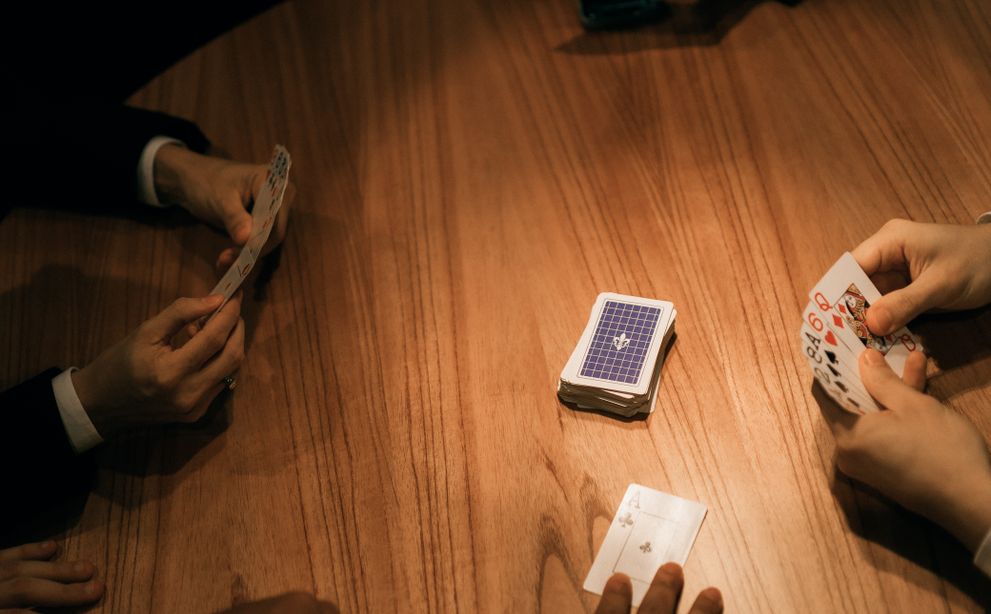
Welcome to the world of live‑dealer Pai Gow Poker, where classic Chinese strategy meets modern streaming technology. Born in the 1920s as a card adaptation of the ancient domino game, Pai Gow entered the online casino scene decades later and has surged in popularity thanks to real‑time dealers who deal, chat, and react just as they would on a brick‑and‑mortar floor. For newcomers, the allure lies in its low‑variance nature: you rarely lose big, and the “push” feature can keep your bankroll alive through lean stretches.
In this guide we will walk you through every essential step—from grasping the two‑hand construction to selecting a trustworthy live‑dealer platform, from managing a modest bankroll to polishing a strategy that respects the House Way while allowing clever deviations. You’ll learn the etiquette that makes a croupier smile, how to read virtual body language, and how to track your results with simple spreadsheets. By the end, you’ll have a clear roadmap that turns the intimidating felt into a familiar arena where you can bet confidently, enjoy the social buzz, and aim for steady, rewarding wins.
Understanding the Basics: How Pai Gow Poker Works
Pai Gow Poker uses a standard 52‑card deck plus a single Joker, which acts as an interchangeable wild card. Each player receives seven cards and must split them into a five‑card “back” hand and a two‑card “front” hand. The back hand must always rank higher than the front; otherwise the dealer calls a foul and you lose automatically.
Hand rankings mirror traditional poker for the back hand, while the front hand follows a simplified hierarchy: a pair beats a high card, and a high card beats any lower high card. The Joker can complete a pair in the front hand or a straight/flush in the back hand, giving flexibility but also adding a layer of decision‑making.
If both your front and back hands beat the dealer’s corresponding hands, you win; if one wins and the other loses, the result is a push. The casino’s “House Way” dictates a default way of arranging the two hands, ensuring consistency across tables. Understanding this algorithm is crucial because it forms the benchmark against which you can test your own variations.
Choosing a Live‑Dealer Platform – What to Look For
When you’re ready to sit at a virtual felt, the first task is to pick a platform that delivers both security and an immersive experience. Start by verifying licensing—look for jurisdictions such as the Malta Gaming Authority or the UK Gambling Commission, which enforce strict player‑protection standards. The software provider matters too; studios like Evolution, NetEnt, and Playtech are renowned for high‑definition streams and reliable dealer training programs.
Table limits are another decisive factor. Low‑roller tables may start at 2 Malaysian ringgit per hand, while high‑roller rooms can require 200 ringgit or more. Side‑bet menus differ as well; some sites offer a “Pai Gow Bonus” that pays extra for specific hand combinations, while others keep the game pure. Player capacity influences chat dynamics—smaller tables foster a cozier atmosphere, whereas larger ones can feel more like a bustling casino floor.
When evaluating options, online casinos malaysia applies rigorous selection criteria that balance payout reliability with crisp video quality, helping you narrow the field to operators that truly prioritize the live‑dealer experience.
Mobile Compatibility
Responsive design dictates whether you can enjoy Pai Gow on a smartphone or tablet without lag. Look for platforms that automatically adjust resolution based on bandwidth, and that offer touch‑optimized controls for betting and hand selection.
Customer Support for Live Games
Live sessions can encounter glitches—audio dropouts, frozen video, or betting delays. 24/7 chat staffed by agents familiar with live‑dealer mechanics is essential. Quick ticket resolution means you won’t miss a winning hand while waiting for a technical fix.
Setting Up Your First Live Pai Gow Session
Begin by completing the standard account verification process: submit a government‑issued ID, proof of address, and a recent utility bill. These documents satisfy anti‑money‑laundering regulations and unlock higher deposit limits.
Funding your account safely involves selecting a reputable e‑wallet or bank transfer method that supports Malaysian ringgit. Many sites now accept Touch ‘n Go, Boost, and major credit cards, each with varying processing times.
When you log in, browse the live lobby and compare tables by limit, dealer language, and seat availability. Low‑roller tables are ideal for practice—they often feature slower pacing and more instructional commentary from the dealer. High‑roller rooms, by contrast, attract seasoned players and faster action, which can be exhilarating once you’ve mastered the basics.
Bankroll Management for New Players
A solid bankroll plan shields you from the inevitable swings of any casino game. Start by designating a session bankroll that you can afford to lose without affecting daily living expenses. For Pai Gow, many experts recommend betting no more than 1 % of that bankroll per hand; on a 200 ringgit session, that translates to a 2 ringgit stake.
The “Bet‑One‑Unit” rule is especially valuable here. By keeping each wager consistent, you smooth out variance and make statistical analysis of your results easier. If you notice a losing streak, resist the urge to increase stakes; instead, apply a stop‑loss limit—perhaps 20 % of your session bankroll—and walk away when it is reached.
Similarly, set a profit‑target, such as a 30 % gain, and consider ending the session once you hit it. This disciplined approach prevents you from giving back hard‑earned winnings in a single unlucky hand.
The Core Strategy: The House Way vs. Player Variations
The House Way is a dealer‑approved algorithm for splitting seven cards into front and back hands. Generally, it aims to create the strongest possible back hand while ensuring the front hand remains legal. For example, with a Joker, A‑K‑Q‑J‑10‑9‑8, the House Way will likely place A‑K‑Q‑J‑10 in the back and 9‑8 (with Joker as 9) in the front, yielding a strong back and a low pair front.
Simple deviations can tip the odds in your favor. If you hold a pair of 6s and a Joker, consider placing the pair in the front hand and using the Joker to complete a straight in the back; this often improves the front hand’s odds of beating the dealer without sacrificing back‑hand strength. Another tweak: when the House Way creates a weak front hand (high card only), swap a low card from the back into the front to form a modest pair, even if it slightly reduces the back hand’s ranking.
These adjustments require practice but add only a few seconds of decision time, and they keep your play from becoming mechanical.
Positioning Your Hands: The Front vs. Back Hand Decision Tree
| Situation | Recommended Front Hand | Reasoning |
|---|---|---|
| You have a high pair (e.g., Q‑Q) and three low cards | Keep the pair in the front | Pair beats most dealer fronts, while low back hand still likely wins |
| Joker plus two low cards, no other pair | Use Joker to form a pair in the front | Guarantees a front‑hand win; back hand remains strong enough |
| Strong back hand (straight/flush) but weak front | Move a medium card to front to create a high‑card front | Improves front hand without breaking back hand hierarchy |
When the dealer shows a “soft” front hand (e.g., a single high card), prioritize a solid pair in your front. Conversely, if the dealer’s back hand looks powerful, you may keep your back aggressive and accept a modest front. The decision tree above helps you quickly assess which path maximizes the chance of winning both hands.
Live‑Dealer Etiquette: Reading the Table and Interacting with the Croupier
Even though you’re behind a screen, body language still matters. Dealers often give subtle cues—an eyebrow raise when a hand is especially strong, or a brief pause before dealing the next round—that can help you gauge the table’s tempo. Keep your camera (if you’re using one) at eye level to appear attentive, and mute background noise to maintain a clear audio channel.
Polite communication goes a long way. A simple “Thank you” after a winning hand or a “Good luck” to newcomers builds rapport. Tipping is optional but appreciated; most platforms allow you to click a “Tip” button with preset amounts ranging from 1 ringgit to 10 ringgit. Consistent, courteous behavior encourages the dealer to keep a friendly pace, which benefits everyone at the table.
Managing Variance: Dealing with Ties and Pushes
Because Pai Gow often results in pushes—both hands matching the dealer’s—your bankroll can feel stagnant during long sessions. Over time, however, pushes reduce volatility: they protect you from large losses while still offering the chance for incremental gains.
To minimize the impact of frequent pushes, adjust your bet size after a series of ties. Some players employ a “reverse Kelly” approach, decreasing stake after a push and increasing after a clear win, thereby smoothing the equity curve. Another method is to focus on improving the front hand, since a strong front reduces the likelihood of a push on that side, turning more ties into wins.
Advanced Tactics: Side Bets and Bonus Features
Many live tables feature side bets such as the “Pai Gow Bonus,” which pays out if your back hand forms a straight, flush, or three‑of‑a‑kind regardless of the dealer’s cards. The payout schedule often resembles:
– Straight: 5 to 1
– Flush: 7 to 1
– Three‑of‑a‑kind: 10 to 1
These bets have a higher house edge (typically 7‑10 %) compared to the main game’s ~2.5 % edge, so they should be used sparingly. Incorporate side bets only when your bankroll allows a small, dedicated portion—perhaps 5 % of your session stake—and when the bonus offers a promotional boost (e.g., “double payout on flushes this week”).
Another feature is the “Progressive Jackpot” that triggers when you hit a specific rare hand, like a six‑card straight. The jackpot can swell to several thousand ringgit, but the odds are minuscule. Treat it as entertainment rather than a core strategy.
Tracking Your Performance and Adjusting Strategy
A simple spreadsheet can capture key metrics: date, table limit, stake per hand, front‑hand result, back‑hand result, push count, and net profit/loss. Here’s a quick template:
| Date | Limit (RM) | Stake | Front Win? | Back Win? | Pushes | Net RM |
|---|---|---|---|---|---|---|
| 15‑Nov‑26 | 5 | 2 | Y | N | 1 | +2 |
| 16‑Nov‑26 | 5 | 2 | N | Y | 0 | -2 |
At the end of each week, calculate your win‑loss ratio for front and back hands separately. If the front hand win rate falls below 48 %, revisit your hand‑building variations. Adjust your betting unit if the variance exceeds your stop‑loss threshold. Continuous data review transforms intuition into measurable improvement.
Common Mistakes New Players Make and How to Avoid Them
- Over‑betting: Jumping to higher limits before mastering the two‑hand split leads to rapid bankroll erosion. Stick to low limits until you consistently win both hands.
- Ignoring the House Way: Blindly following the dealer’s algorithm without understanding its logic prevents you from making profitable deviations. Study the standard split and experiment in low‑stakes games.
- Misreading dealer signals: Assuming a dealer’s smile equals a weak hand can be misleading; focus on the actual card values displayed on the screen.
Quick checklist for a clean session:
1. Verify bankroll and set stake limit.
2. Review the House Way algorithm.
3. Choose a table with suitable limits and reliable streaming.
4. Apply one or two hand‑building variations.
5. Record results immediately after each hand.
Conclusion
Choosing the right live‑dealer platform, mastering the two‑hand construction, and applying disciplined bankroll tactics are the cornerstones of success in Pai Gow Poker. By respecting the House Way while judiciously inserting simple variations, you can tilt the odds in your favor without overwhelming complexity. Remember to keep your bets modest, track every outcome, and treat side bets as occasional spice rather than a staple. With these tools, beginners can evolve from hesitant observers to confident players who relish the social interaction, the steady low‑variance wins, and the occasional thrilling jackpot that live‑dealer Pai Gow delivers. Happy gaming, and may the cards be ever in your favor.

Related Posts