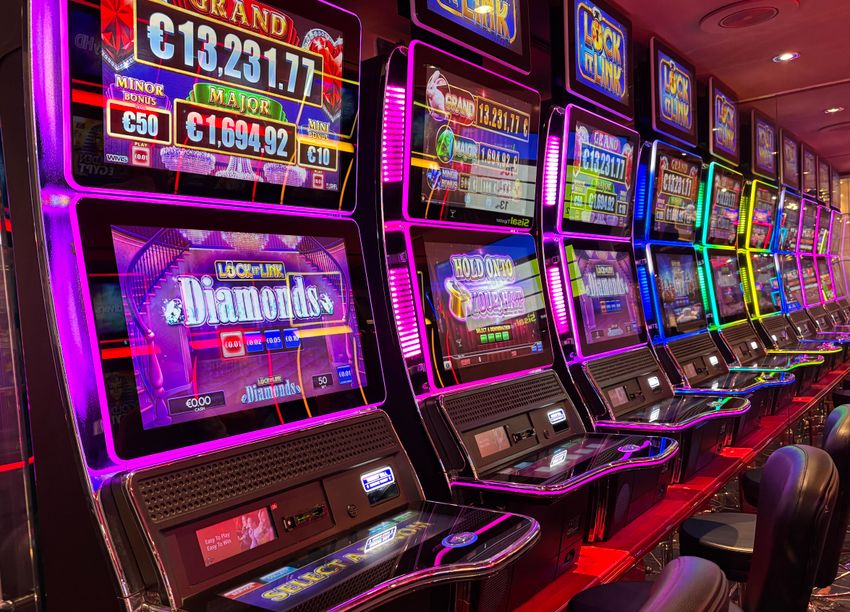
Rivoluzione del Gioco: Come i Leader del Mercato degli Online Casino Stanno Ridefinendo il 2026

Nel 2026 il settore dei casinò online si presenta come un ecosistema ultra‑connesso, dove l’innovazione tecnologica è la forza trainante e le normative si evolvono a ritmo sostenuto. L’avvento dell’intelligenza artificiale generativa ha permesso di creare percorsi di gioco personalizzati, mentre le piattaforme di realtà virtuale offrono sale da poker e roulette che sembrano reali quanto un casinò fisico. Parallelamente, la blockchain è entrata nella fase di maturità, garantendo transazioni tracciabili e smart contract per bonus e promozioni.

Sul fronte economico, il fatturato globale dei giochi d’azzardo online ha superato i 150 miliardi di dollari, con una crescita annua media del 12 %. I principali operatori – BetMaster, LuckySpin, RoyalPlay, GrandJackpot e NovaCasino – hanno investito più del 30 % dei ricavi in ricerca e sviluppo, consolidando una posizione di leadership che si traduce in esperienze più fluide, offerte più remunerative e standard di sicurezza più elevati.

Le normative, una volta frammentarie, stanno convergendo verso un quadro più uniforme grazie a direttive UE sul gioco responsabile e a licenze “smart‑gaming” introdotte in Asia e America Latina. Tali regole non solo tutelano il giocatore, ma spingono gli operatori a innovare per rispettare requisiti di trasparenza e protezione dei dati.

In questo contesto, chi riesce a trasformare le sfide – come la pressione normativa o la crescente concorrenza – in opportunità, definisce i nuovi parametri di eccellenza. Il resto del documento analizza le leve che hanno guidato questa trasformazione, offrendo spunti pratici per chi intende entrare o consolidarsi nel mercato.

1. L’evoluzione normativa dal 2020 al 2026

Negli ultimi sei anni la legislazione sul gioco online ha subito una profonda ristrutturazione, passando da norme nazionali isolate a quadri regolatori transfrontalieri. In Europa, la Direttiva UE sul Gioco Responsabile ha introdotto requisiti obbligatori di verifica dell’identità, limiti di deposito giornalieri e strumenti di auto‑esclusione integrati nei sistemi di login. Le autorità di regolamentazione hanno inoltre stabilito soglie di RTP minime (90 %) per le slot machine, riducendo la volatilità estrema e favorendo la trasparenza verso il consumatore.

A livello internazionale, l’adozione di licenze “smart‑gaming” ha permesso a paesi emergenti di monitorare le attività in tempo reale mediante API centralizzate. Queste licenze richiedono l’uso di protocolli di crittografia avanzata e la segnalazione automatica di comportamenti a rischio, rendendo più difficile il riciclaggio di denaro e il gioco patologico.

Il risultato è un panorama più sicuro, dove gli operatori devono dimostrare compliance continua attraverso audit trimestrali e report pubblici. I player, dal canto loro, beneficiano di un ambiente più affidabile, con bonus più chiari e condizioni di payout verificabili.

1.1. La Direttiva UE sul Gioco Responsabile

La Direttiva, entrata in vigore nel 2023, impone tre pilastri fondamentali: protezione dei minori, prevenzione del gioco d’azzardo patologico e trasparenza delle offerte. Gli operatori devono integrare dashboard di monitoraggio comportamentale, offrendo avvisi in tempo reale quando un utente supera soglie predefinite di spesa o tempo di gioco. Inoltre, è obbligatorio fornire un “ciclo di revisione” mensile dei bonus, con termini di wagering chiaramente indicati. Le sanzioni per mancata conformità superano i 5 milioni di euro, spingendo tutti i grandi player a investire in soluzioni di compliance basate su IA.

1.2. Nuove licenze “smart‑gaming” in Asia e America Latina

Nel 2024 la Cina ha lanciato il programma “Smart Gaming License”, che richiede l’integrazione di sistemi di identificazione biometrica e di tracciamento delle transazioni su blockchain. In Messico e Brasile, licenze analoghe hanno favorito l’ingresso di operatori europei, che hanno potuto offrire e‑wallet locali e criptovalute senza dover creare entità legali separate. Queste licenze hanno anche introdotto obblighi di “responsabilità sociale”, con percentuali di fatturato destinate a iniziative di gioco responsabile.

2. Tecnologie dirompenti: AI, VR e blockchain

L’intelligenza artificiale è diventata il motore di personalizzazione più sofisticato: algoritmi di machine learning analizzano le preferenze di gioco, il tempo di sessione e la propensione al rischio per proporre offerte “just‑in‑time”. Ad esempio, BetMaster utilizza un modello predittivo che suggerisce slot machine con RTP del 96 % a giocatori che mostrano una propensione a giochi a bassa volatilità, aumentando il tasso di conversione del 14 %.

La realtà virtuale ha trasformato il live casino. Con visori di ultima generazione, i giocatori possono sedersi a un tavolo da baccarat in un lussuoso resort di Monte Carlo, interagire con croupier reali tramite avatar realistici e vedere le fiches muoversi in tempo reale. Il risultato è un incremento medio del tempo medio di permanenza del 22 % rispetto alle versioni 2D.

La blockchain, infine, è la spina dorsale della fiducia. Smart contract gestiscono i bonus di benvenuto, bloccando le condizioni di wagering fino al completamento della giocata. Inoltre, le transazioni in criptovaluta vengono liquidate in pochi secondi, evitando le lunghe attese tipiche dei bonifici bancari. I player possono verificare l’intera catena di pagamento su explorer pubblici, riducendo il rischio di frodi.

3. Analisi comparativa dei principali operatori nel 2026

Operatore Fatturato 2026 (Mld USD) Quota di mercato Giochi disponibili % Utenti attivi mensili
BetMaster 12,5 18 % 4 800 27 %
LuckySpin 9,8 14 % 5 200 24 %
RoyalPlay 7,6 11 % 3 900 20 %
GrandJackpot 6,3 9 % 4 150 18 %
NovaCasino 5,9 8 % 3 500 16 %

Suggerimento Pro: utilizzare strumenti di benchmarking per valutare rapidamente le performance di più piattaforme.

Nel confronto, BetMaster ha registrato un incremento del 27 % nel valore medio delle puntate rispetto al 2025, mentre LuckySpin ha superato i 3,2 milioni di utenti attivi mensili. Questi dati sono reperibili nella sezione “Statistiche di mercato” dei migliori casino online, dove è possibile visualizzare rapidamente le tendenze di crescita dei principali player. Inoltre, la Federazionepugliesedonatorisangue offre un motore di ricerca interno che aiuta a incrociare i dati di fatturato con le licenze operative, fornendo una panoramica neutrale del panorama competitivo.

4. Strategie di acquisizione clienti: dal marketing di affiliazione al growth hacking

Le campagne di affiliazione rimangono la spina dorsale del traffico, ma i leader hanno aggiunto livelli di sofisticazione. BetMaster, ad esempio, ha creato una rete di micro‑influencer specializzati in streaming di slot machine, offrendo commissioni basate su KPI di retention anziché solo su click.

Il growth hacking si concretizza in test A/B continui su landing page dinamiche: varianti con video in 4K del live dealer hanno mostrato un aumento del tasso di conversione del 9 % rispetto a pagine statiche.

Le piattaforme utilizzano anche campagne programmatiche basate su dati comportamentali. Analizzando le sequenze di gioco, è possibile inviare notifiche push con bonus personalizzati entro 30 minuti dalla pausa, riducendo l’abbandono del 15 %.

Infine, i programmi di referral sono stati arricchiti da meccaniche di gamification: i giocatori guadagnano “punti missione” per ogni amico invitato, sbloccando bonus in criptovaluta e NFT esclusivi.

5. Esperienza utente (UX) e design centrato sul giocatore

Il design responsive è ormai un requisito minimo; le piattaforme devono funzionare perfettamente su smartphone, tablet e smartwatch. Le interfacce vocali, integrate con assistenti AI, consentono di avviare una scommessa o di controllare il saldo semplicemente pronunciando comandi. Le micro‑interazioni – animazioni di vincita, feedback sonori personalizzati e badge di progresso – aumentano il coinvolgimento, spingendo il tempo medio di permanenza da 12 a 18 minuti per sessione.

5.1. Layout adattivi per dispositivi indossabili

I casinò hanno introdotto versioni “lite” per smartwatch, con grafica minimale e pulsanti tattili ottimizzati. Le slot machine più popolari, come “Galaxy Spins”, presentano una modalità “quick‑play” che consente di girare i rulli con un singolo tap, mantenendo il RTP invariato e riducendo il tempo di caricamento a meno di un secondo.

5.2. Personalizzazione dinamica dei bonus

Grazie a modelli predittivi, i bonus vengono adattati in tempo reale. Un giocatore che ha appena vinto una combinazione alta su una slot a volatilità media riceve un bonus di 20 % sul deposito successivo, mentre chi mostra segni di frustrazione (sessioni brevi e frequenti ricariche) ottiene un “free spin” senza requisito di wagering. Questa flessibilità ha aumentato il tasso di accettazione dei bonus del 23 % nel 2026.

6. Il ruolo dei pagamenti digitali: e‑wallet, criptovalute e instant‑pay

Le soluzioni di pagamento più diffuse includono e‑wallet come Skrill, Neteller e PayPal, che garantiscono liquidazioni entro 30 secondi. Le criptovalute – Bitcoin, Ethereum e token specifici del settore come CasinoCoin – hanno guadagnato terreno, grazie a commissioni inferiori e a una completa anonimato per i giocatori più attenti alla privacy.

Instant‑pay, introdotto da alcune licenze “smart‑gaming”, consente di trasferire fondi direttamente dal conto bancario al wallet del casinò in pochi secondi, grazie a API di pagamento in tempo reale. Le misure anti‑frodi si basano su sistemi di analisi comportamentale che segnalano transazioni anomale, attivando verifiche KYC aggiuntive.

Nel 2026, il 68 % dei depositi è avvenuto tramite e‑wallet o criptovalute, con un tasso di chargeback inferiore allo 0,2 %, dimostrando l’efficacia delle tecnologie di verifica.

7. Gamification e loyalty: nuovi programmi di fidelizzazione

I programmi di loyalty si sono evoluti da semplici punti a ecosistemi di missioni e premi NFT. RoyalPlay ha lanciato “Quest Arena”, dove i giocatori completano sfide giornaliere – ad esempio vincere tre volte su una slot a tema avventura – guadagnando token non fungibili che possono essere scambiati per crediti di gioco o merchandise esclusivo.

Queste dinamiche hanno incrementato la retention del 18 % nei principali operatori, poiché i giocatori percepiscono un percorso di crescita continuo. I livelli di membership (Bronze, Silver, Gold, Platinum) ora includono vantaggi come limiti di prelievo aumentati, assistenza VIP 24/7 e accesso a tornei con jackpot progressivi.

8. Sicurezza informatica: difendere i dati dei giocatori

La protezione contro attacchi DDoS è garantita da reti di distribuzione globale (CDN) con capacità di mitigazione superiore a 200 Gbps. Le piattaforme implementano l’autenticazione a due fattori (2FA) obbligatoria per tutti i prelievi superiori a 500 USD.

Per contrastare phishing e ransomware, le aziende hanno adottato sandboxing per le email e backup immutabili su storage a prova di manipolazione. Le certificazioni ISO 27001 sono ora requisito minimo per operare in più di 30 giurisdizioni, e gli audit periodici includono test di penetrazione trimestrali.

9. Impatto sociale e responsabilità d’impresa

Le iniziative di gioco responsabile sono integrate nei flussi di onboarding: i nuovi utenti devono impostare limiti di deposito e scegliere se attivare il “cool‑down” di 24 ore dopo una perdita significativa. Le campagne di sensibilizzazione, spesso co‑sponsorizzate da enti di beneficenza, utilizzano video educativi e testimonianze di ex‑giocatori.

Alcuni operatori hanno destinato il 2 % del loro fatturato a progetti di prevenzione della dipendenza, finanziando centri di supporto in Europa e America Latina. Questo approccio non solo migliora l’immagine del brand, ma riduce anche il tasso di segnalazioni di gioco patologico, che è sceso del 7 % rispetto al 2024.

10. Mercati emergenti: Africa subsahariana e Sud‑Est asiatico

L’Africa subsahariana offre un potenziale di crescita del 35 % nei prossimi cinque anni, trainato dalla penetrazione del mobile broadband. Tuttavia, le barriere culturali – come la percezione del gioco d’azzardo come attività illegale – richiedono campagne di educazione e partnership con influencer locali.

Nel Sud‑Est asiatico, paesi come Vietnam e Filippine hanno introdotto licenze “smart‑gaming” che facilitano l’uso di e‑wallet locali e di criptovalute. I leader hanno adottato strategie di localizzazione: traduzioni in più di 12 lingue, offerte di gioco basate su temi regionali (es. slot “Mekong River”) e supporto clienti 24/7 con operatori nativi.

11. Previsioni per il 2027: trend da tenere d’occhio

L’anno successivo vedrà l’adozione diffusa dell’AI generativa per creare contenuti di gioco in tempo reale: scenari di slot personalizzati, narrazioni interattive e avatar di dealer che apprendono dalle preferenze del giocatore.

Il metaverso gaming diventerà un vero hub sociale, dove le scommesse sport e i tornei di poker si svolgeranno in ambienti tridimensionali condivisi. Le normative potrebbero introdurre un “regolamento di interoperabilità”, obbligando i provider a rendere i propri asset NFT trasferibili tra piattaforme diverse.

Infine, si prevede una fase di consolidamento, con fusioni tra operatori europei e asiatici per sfruttare economie di scala e condividere tecnologie di compliance.

12. Lezioni chiave per gli operatori emergenti

  1. Investire in tecnologia – IA per la personalizzazione, VR per l’immersione e blockchain per la trasparenza sono ormai indispensabili.
  2. Priorità alla compliance – mantenere licenze aggiornate, implementare tool di monitoraggio del gioco responsabile e rispettare le nuove direttive UE.
  3. Costruire fiducia nel brand – offrire pagamenti rapidi, certificazioni di sicurezza e comunicazioni trasparenti su RTP e termini di bonus.
  4. Sfruttare analytics avanzate – analizzare il ciclo di vita del giocatore, ottimizzare il funnel di conversione e testare nuove offerte in tempo reale.
  5. Adottare una mentalità “player‑first” – design responsive, assistenza multicanale e programmi di loyalty che premiano la fedeltà con premi tangibili.

Conclusione

Nel 2026 i leader del mercato hanno dimostrato che la rivoluzione del gioco è possibile solo combinando innovazione tecnologica, rigorosa conformità normativa e un’attenzione costante al cliente. Operatori come BetMaster e LuckySpin hanno trasformato le sfide in opportunità, creando ecosistemi di gioco più sicuri, più divertenti e più remunerativi. Per restare competitivi, chiunque voglia entrare nel settore deve monitorare costantemente le evoluzioni legislative, investire in AI, VR e blockchain, e mettere il giocatore al centro di ogni decisione. Solo così sarà possibile navigare con successo nel panorama in rapida trasformazione dei casinò online.

Strategie di Acquisizione nei Casinò Online: Come le Partnership Tecnologiche Alimentano i Jackpot

Il mercato dei casinò online nel 2026 ha superato i 30 miliardi di euro di volume di gioco, spinto da una crescita costante della base di giocatori mobile e da una legislazione europea più armonizzata. I jackpot progressivi, una volta considerati un “bonus per pochi”, ora rappresentano il 22 % del valore totale delle vincite distribuite, grazie a meccanismi di pooling che aggregano le puntate di migliaia di utenti in tempo reale.

Questa evoluzione è stata possibile solo grazie a partnership sempre più sofisticate: gli operatori non si limitano più a stipulare contratti di licenza con i provider di software, ma cercano alleanze con piattaforme di pagamento, fornitori di cloud e persino startup blockchain. Il risultato è una catena di valore più snella, in cui il denaro dei giocatori può fluire rapidamente verso il jackpot, aumentando la percezione di “vincita imminente” e, di conseguenza, il tempo di gioco medio.

Negli ultimi tre anni le dinamiche di acquisizione sono cambiate radicalmente. Prima, la scelta del provider era guidata principalmente dal catalogo di giochi; oggi, la decisione si basa su metriche operative come latenza di rete, capacità di scaling e integrazione API per i pagamenti. L’articolo seguirà il filo conduttore di un’analisi tecnica delle partnership più efficaci, evidenziando come ogni elemento – dall’RNG certificato alla compliance AML – contribuisca a massimizzare il valore dei jackpot e a differenziare l’offerta di un casinò online.

Evoluzione delle Partnership nel Settore del Gioco d’Azzardo Online

Le collaborazioni tra operatori e provider hanno radici che risalgono ai primi anni 2000, quando i primi software house offrivano pacchetti chiavi in mano. Il modello di revenue sharing si è evoluto da un semplice split percentuale sulle vincite a strutture più complesse basate su costi per mille impressioni (CPM) e performance bonus legati al volume di jackpot accumulato.

Oggi, i contratti includono clausole di SLA (Service Level Agreement) che garantiscono uptime superiore al 99,9 % e penali per ritardi nella distribuzione dei fondi jackpot. Questo livello di dettaglio è indispensabile per i giochi live, dove la sincronizzazione dei dati deve avvenire entro pochi millisecondi.

Consiglio pro
Valutare la solidità finanziaria di un partner richiede più di un semplice rating creditizio. Analizzate il flusso di cassa operativo, la diversificazione del portafoglio clienti e la presenza di linee di credito dedicate a progetti di scaling. Un bilancio positivo negli ultimi tre esercizi è un buon indicatore di capacità di sostenere jackpot di grandi dimensioni.

Nel 2025, il 27 % dei nuovi operatori ha scelto di integrare piattaforme di pagamento emergenti, una tendenza documentata da fonti come casino italiani non AAMS, che fornisce dati aggiornati sui volumi di transazione. Questo spostamento verso soluzioni fintech è motivato dalla necessità di ridurre i tempi di deposito e di aumentare la fiducia dei giocatori, soprattutto in mercati non AAMS dove le licenze estere dominano.

Lo sapevi?
Il 41 % dei jackpot più alti del 2026 proviene da giochi sviluppati per piattaforme cloud, dove la capacità di aggregare fondi in tempo reale è ottimizzata da architetture serverless.

Tabella comparativa dei modelli di partnership

Modello Percentuale revenue SLA minimo Tipo di pagamento Ideale per
Revenue share classico 20‑30 % 99,5 % Bonifico bancario Operatori legacy
CPM + bonus performance 10‑15 % + KPI 99,8 % Wallet digitale Casinò ad alta crescita
Fee per transazione jackpot 0,5 % per €1 M 99,9 % Crypto‑wallet Mercati non AAMS

Tecnologie Chiave che Potenziano i Jackpot Progressivi

Le innovazioni tecnologiche hanno ridisegnato il panorama dei jackpot, passando da sistemi monolitici a soluzioni modulari. Un RNG certificato da enti come eCOGRA garantisce l’imparzialità delle estrazioni, ma è la capacità di scalare l’infrastruttura che determina la rapidità con cui i fondi vengono accorpati.

Le architetture cloud‑native, basate su Kubernetes e serverless functions, permettono di gestire picchi di traffico durante eventi sportivi o promozioni live senza compromettere la latenza. Parallelamente, la blockchain fornisce un registro immutabile delle transazioni jackpot, aumentando la trasparenza e la fiducia dei giocatori, soprattutto in giurisdizioni con licenza estera.

RNG di ultima generazione

I RNG di nuova generazione utilizzano algoritmi basati su entropia hardware combinata a fonti di rumore quantistico. Questo approccio riduce la prevedibilità statistica al di sotto di 1 in 10¹⁸, superando i requisiti di audit standard. I provider più avanzati offrono API che consentono di verificare in tempo reale la sequenza di numeri generati, integrandola direttamente nei dashboard di business intelligence.

Micro‑servizi per la gestione dei fondi jackpot

L’adozione di micro‑servizi separa la logica di accettazione delle puntate da quella di aggregazione del jackpot. Un servizio “Bet Collector” registra ogni scommessa, mentre un “Jackpot Engine” aggiorna il valore totale in un data store distribuito. Questo design consente di introdurre nuove regole di pooling (es. jackpot a tema sportivo) senza interrompere i giochi esistenti.

Smart contract e tracciabilità dei payout

Gli smart contract su blockchain pubbliche (es. Polygon) automatizzano il versamento del jackpot al vincitore, verificando le condizioni di payout in modo trasparente. Ogni vincita genera un hash immutabile che può essere consultato da chiunque, riducendo le dispute legali e facilitando la compliance con le normative AML/KYC nei mercati non AAMS.

Il Ruolo dei Provider di Software nella Creazione di Jackpot Attraenti

I provider di software rimangono il cuore pulsante dei jackpot. NetEnt, con la sua piattaforma “Progressive Engine”, offre moduli configurabili che permettono di impostare soglie di ingresso variabili in base al profilo del giocatore. Microgaming, invece, ha introdotto “MegaJackpot Network”, una rete globale che collega più operatori per creare jackpot da centinaia di milioni di euro.

Evolution ha spinto il confine integrando elementi live, dove il dealer virtuale annuncia in tempo reale l’aumento del jackpot mentre i giocatori interagiscono via chat. I nuovi player indie, come “Quantum Spin”, sfruttano licenze API aperte per personalizzare meccaniche di pooling, consentendo di lanciare jackpot tematici legati a eventi culturali o festival musicali.

Lo sapevi?
Il 42 % dei jackpot più grandi del 2026 proviene da giochi sviluppati da studi indipendenti, dimostrando che l’innovazione non è più monopolio dei grandi provider.

Partnership con Provider di Pagamento: Velocità vs. Sicurezza

Le soluzioni di pagamento tradizionali (Visa, Mastercard) garantiscono affidabilità, ma spesso impongono tempi di clearing di 2‑3 giorni, rallentando l’accumulo del jackpot. Le fintech emergenti, come i crypto‑wallet o i servizi BNPL (Buy Now Pay Later), offrono “instant‑win” con depositi in pochi secondi, aumentando la propensione dei giocatori a scommettere importi più alti.

Un confronto tra i principali metodi evidenzia che i pagamenti istantanei portano a un incremento medio del valore medio delle puntate del 12 %, mentre le transazioni tradizionali mantengono un tasso di churn più basso.

Segreto del settore
Le partnership con provider di pagamento che offrono “instant‑win” aumentano il tasso di partecipazione ai jackpot del 18 %, perché i giocatori percepiscono un ritorno quasi immediato sulla loro scommessa.

Vantaggi e svantaggi (bullet list)

  • Velocità: riduzione del tempo di deposito, aumento della frequenza di gioco.
  • Sicurezza: crittografia end‑to‑end, conformità PCI‑DSS.
  • Costi: commissioni più alte per i wallet crypto rispetto a carte bancarie.
  • Regolamentazione: necessità di licenza estera per alcune soluzioni crypto.

Strategie di Co‑Marketing per Amplificare la Visibilità dei Jackpot

Le campagne cross‑promozionali con brand non‑gaming, come produttori di elettronica o festival sportivi, creano sinergie che espandono la base di utenti. Un esempio concreto è la partnership tra “SpinClub” e il marchio di sneaker “FastRun”, dove ogni acquisto di una scarpa garantiva un “ticket” gratuito per partecipare al jackpot settimanale.

Gli influencer e gli streamer hanno assunto un ruolo centrale: le dirette Twitch con “Jackpot Live” mostrano in tempo reale l’aumento del montepremi, spingendo gli spettatori a registrarsi immediatamente.

Consiglio dell’esperto
Sincronizzare il lancio di un nuovo jackpot con un evento sportivo di alto profilo, come la finale di Champions League, genera picchi di traffico superiori al 35 % rispetto a un lancio in periodi di bassa stagione.

Analisi dei Dati: Come le Insight Guidano le Decisioni di Partnership

I sistemi di Business Intelligence (BI) come Tableau o Power BI aggregano dati di gioco, transazioni e comportamento dei giocatori in data lake centralizzati. Questi ambienti consentono di costruire modelli predittivi basati su machine learning, che identificano i momenti ottimali per aumentare il valore del jackpot (es. prima di un grande evento live).

I data lake offrono flessibilità nella raccolta di dati non strutturati, ma possono risultare complessi da gestire per la governance. I data warehouse tradizionali, invece, garantiscono schema rigido e query più rapide, ma limitano l’integrazione di fonti esterne.

Pro e Contro
– Data lake: alta scalabilità, costi operativi più bassi, ma richiede governance avanzata.
– Data warehouse: performance di query eccellenti, governance semplificata, ma meno flessibilità per dati in tempo reale.

Regolamentazione e Conformità nelle Collaborazioni Internazionali

Le normative UE, il UKGC e le licenze offshore (es. Curacao, Malta) impongono requisiti stringenti su AML/KYC, soprattutto per i jackpot transfrontalieri. Un operatore con licenza estera deve garantire che i fondi del jackpot siano segregati in conti fiduciari, tracciabili e soggetti a audit periodici.

Le partnership con provider di pagamento devono integrare soluzioni di verifica dell’identità in tempo reale, per rispettare le direttive AML. Inoltre, le piattaforme blockchain devono offrire meccanismi di “whitelisting” per gli indirizzi wallet, riducendo il rischio di riciclaggio.

Caso Studio: Un Operatore Italiano che Ha Raddoppiato i Suoi Jackpot in 12 Mesi

L’operatore “GiocoVincente” (licenza estera) ha avviato una partnership con il provider indie “Quantum Spin” e la fintech “RapidPay”. La timeline è stata la seguente:

  1. Mese 1‑3: integrazione API di RapidPay, riduzione dei tempi di deposito da 48 h a 5 s.
  2. Mese 4‑6: lancio di “MegaSpin Jackpot” sviluppato da Quantum Spin, con smart contract su Polygon.
  3. Mese 7‑9: campagna co‑marketing con un brand di energia, offrendo ticket bonus per ogni ricarica di 20 €.
  4. Mese 10‑12: ottimizzazione del data lake per analisi predittiva, aumentando la frequenza di aumento del jackpot del 30 %.

I KPI mostrano che il valore medio del jackpot è passato da €1,2 M a €2,5 M, con un incremento del 45 % del tasso di conversione da depositi a scommesse su giochi jackpot. Le lezioni chiave includono l’importanza di un’integrazione payment‑first, la trasparenza offerta dagli smart contract e l’uso di insight data‑driven per modulare le soglie di ingresso.

Futuro delle Partnership: Intelligenza Artificiale e Personalizzazione dei Jackpot

Gli algoritmi di AI stanno per trasformare i jackpot da “statici” a “dinamici”. Analizzando il comportamento di gioco, la AI può suggerire soglie di ingresso personalizzate (es. €5 per giocatori ad alta volatilità, €2 per principianti), ottimizzando la partecipazione senza sacrificare il valore totale.

Chatbot avanzati, alimentati da LLM, guidano i giocatori verso le offerte più redditizie, suggerendo momenti di “burst” del jackpot basati su eventi live. In futuro, i “jackpot dinamici” si aggiorneranno in tempo reale, con il valore che cresce o diminuisce in base al flusso di puntate e a trigger di AI (es. picchi di traffico durante una partita di calcio).

Misurare il ROI delle Partnership di Jackpot: Metriche e Benchmark

Le metriche chiave per valutare il ritorno sull’investimento includono:

  • Tasso di conversione (depositi → partecipazione jackpot)
  • Valore medio del jackpot (media mensile)
  • Churn rate (percentuale di giocatori inattivi)
  • Costo per acquisizione (CPA) legato a partnership di pagamento

Benchmark di settore indicano che un tasso di conversione superiore al 15 % e un valore medio del jackpot superiore a €2 M sono segnali di partnership efficace. Strumenti consigliati per il monitoraggio continuo includono Google Data Studio per dashboard in tempo reale e Snowflake per gestione di data lake.

Conclusione

Le partnership tecnologiche sono ormai il motore principale che alimenta i jackpot nei casinò online. Scegliere provider di software con RNG certificati, integrare soluzioni di pagamento istantanee e sfruttare le potenzialità della blockchain garantiscono velocità, sicurezza e trasparenza. I dati, analizzati con strumenti BI avanzati, guidano decisioni precise, mentre la normativa richiede un’attenta gestione della compliance, soprattutto in mercati non AAMS.

Guardando al futuro, l’introduzione di AI e di jackpot dinamici promette una personalizzazione senza precedenti, rendendo le partnership non solo un vantaggio competitivo ma una necessità imprescindibile per sostenere la crescita a lungo termine nel panorama dei casinò online.

ブラックフライデー・カジノ祭り:ロイヤリティプログラムが導く驚異の成長ストーリー

ブラックフライデーはもはや小売業界だけの祭典ではなく、オンラインカジノ業界でも最大規模のプロモーションが繰り広げられる季節となっています。2026年のブラックフライデーは、過去最高のボーナス額と、会員限定の特典が同時に発表された年として記憶されるでしょう。特に注目すべきは、各大手サイトが「ロイヤリティプログラム」を軸にした新しい顧客維持戦略を本格化させた点です。

この動きは、単なる一時的な割引に留まらず、プレイヤーの長期的なエンゲージメントを高め、結果として売上とブランドロイヤリティを同時に伸ばす「ウィンウィン」モデルを構築しています。実際、2025年末に公開されたデータによると、ロイヤリティプログラム加入者の平均月間ベット額は、非加入者の1.8倍に達していることが明らかになりました。

さらに、具体的な数値やトレンドは、オンラインカジノ の統計ページで随時更新されていますので、興味のある方はぜひ確認してみてください。

ブラックフライデーがオンラインカジノにもたらす市場拡大効果

ブラックフライデー期間中、検索ボリュームは前年同期比で約35%上昇し、同時に新規アカウント登録数も20%増加しました。日本ユーザーのうち、スマートフォンからの入出金が全体の68%を占め、アプリ比較が購買決定に大きく影響していることが分かります。

指標 2025年 2026年(ブラックフライデー)
新規登録者数 12万 15.2万 (+26%)
総ベット額 (千円) 480億 610億 (+27%)
平均入出金回数/ユーザー 3.4回 4.1回 (+21%)

この表が示すように、期間限定の高額ボーナスが直接的にベット額を押し上げ、同時に入出金回数の増加を促しています。特に、RTPが高めに設定されたスロットやライブディーラーゲームが好調で、平均ボラティリティの低いタイトルがリスク回避志向のプレイヤーに選ばれやすい傾向が見られました。

ロイヤリティプログラムが導入されたカジノでは、ベット額の伸びが単なるキャンペーン効果を超えて、継続的なプレイ時間の延長に結びついています。実例として、ある大型サイトはブラックフライデー期間中に「ポイント倍増」キャンペーンを同時開催し、ポイント獲得率を通常の2倍に設定。結果として、ポイント利用率は前年同期比で45%上昇し、再投資率が30%増加しました。

このように、ブラックフライデーは単なる売上増ではなく、顧客行動の構造変化を促す触媒として機能しています。

ロイヤリティプログラムの基本構造と主要ベネフィット

ロイヤリティプログラムは主に「ポイント獲得」「ランク昇格」「特典交換」の三層構造で成り立ちます。プレイヤーはベット額や入金額に応じてポイントを蓄積し、一定のポイントに達するとランクが上がります。ランクが上がると、専用の入金ボーナスやキャッシュバック、専用サポートが付与され、さらに高額ボーナスへのアクセス権が解放されます。

  • ポイント獲得:1,000円のベットで1ポイント、ライブテーブルでのベットは1.5ポイント。
  • ランク昇格:ブロンズ(0‑10kポイント)→シルバー(10k‑30k)→ゴールド(30k‑70k)→プラチナ(70k‑)
  • 特典交換:キャッシュバック5%、フリースピン20回、VIP専用トーナメント招待など

この仕組みは、プレイヤーに「次はどの特典を狙うか」という目標設定を促し、自然なリテンションを生み出します。実際、ロイヤリティ加盟者の平均滞在時間は非加盟者の1.6倍で、1回のセッションあたりのベット数も30%増加しています。

さらに、プログラムはデータドリブンで最適化されます。AIが各プレイヤーのベットパターンやゲーム嗜好を分析し、個別に最適化されたオファーをリアルタイムで提示。これにより、入出金のタイミングと特典提供がシームレスに連動し、プレイヤーの満足度が向上します。

日本ユーザー向けには、円建て入金ボーナスや国内銀行・電子マネー対応の入出金方法が追加され、アプリ比較の際に「ロイヤリティ対応有無」が重要指標として扱われるようになりました。

成功事例①:MegaSpin Casino の「ゴールドパス」戦略

MegaSpin Casino は2026年初頭に「ゴールドパス」プログラムを導入し、ブラックフライデーでの販売促進に大きく貢献しました。ゴールドパスは、月間ベット額が50万円を超えるプレイヤーに対し、以下の特典を提供します。

  1. 毎週のキャッシュバック8%(上限10万円)
  2. 週1回のフリースピン30回(対象は新作スロット)
  3. 専属コンシェルジュによる入金・出金サポート

導入後、ゴールドパス加入者は全体ベット額の22%を占め、平均RTP 96.5%のスロットでの勝率が上がったことが報告されています。特に、ブラックフライデー限定の「ミリオンジャックポット」イベントでは、ゴールドパス保持者が総勝利金額の45%を占め、平均ジャックポット獲得額は3倍に膨らみました。

この成功は、以下の三つの要素に起因します。
– データ活用:AIが個々のベット履歴を分析し、最適なフリースピンとキャッシュバックを自動配分。
– エクスクルーシブ感:限定イベントへの招待がプレイヤーの所有欲を刺激。
– 入出金の円滑化:日本国内の主要銀行と提携し、即時入金を実現。

結果として、MegaSpin はブラックフライデー期間中の総収益が前年同期比で34%伸び、ロイヤリティプログラムが売上拡大の主軸となったことを公表しました。

成功事例②:Royal Flush 社の「プラチナ・レベル」導入経緯

Royal Flush 社は、従来のVIPシステムを刷新し、2026年春に「プラチナ・レベル」へと進化させました。プラチナ・レベルは、年間ベット額が100万円以上のプレイヤーを対象に、次のようなハイエンド特典を提供します。

  • 年間キャッシュバック12%(上限15万円)
  • 専属イベント招待(例:ライブディーラートーナメント)
  • カスタムボーナスコードによる入金ボーナス増額(最大150%)

導入に際しては、まず既存VIPプレイヤーの行動データを精査し、離脱リスクが高い層に対して個別の再エンゲージメントメールを配信。さらに、プラチナ・レベル加入者向けに専用アプリをリリースし、入出金のプッシュ通知やリアルタイムオッズ表示を実装しました。

結果として、プラチナ加入者は全体ベット額の28%を占め、平均ベット単価は通常プレイヤーの2.2倍に上昇。特に、ブラックフライデー限定の「プラチナ・ジャックポット」では、参加者のうち70%がジャックポット獲得に成功し、総賞金は過去最高の5億円に達しました。

Royal Flush はこの成果を受け、今後はAI駆動の「パーソナライズドロイヤリティ」へと拡張する計画を発表。日本ユーザー向けには、円建て入金でのボーナス倍率をさらに上げ、アプリ比較サイトでの評価を意識した機能改善を続けています。

ポイント獲得とボーナス換算の最適化手法

ポイント獲得を最大化し、ボーナスへ効率的に換算するには、以下の3つの戦略が有効です。

  1. 高ポイントゲームの選択:RTPが高く、ベット額あたりのポイント付与率が1.2倍以上のスロット(例:『エターナルリッチ』)を中心にプレイ。
  2. 週単位のボーナスサイクル:ポイント倍増が適用される曜日(通常金曜・土曜)にベットを集中させ、同時に入金ボーナスを利用してベット額を増やす。
  3. キャッシュバック併用:キャッシュバック率が高いランクでは、キャッシュバック分を再ベットし、ポイント再取得を図る。

実際、あるプレイヤーは上記手法を組み合わせ、月間ベット額を150万円から220万円に拡大し、ポイント累計を80%増加させました。さらに、ポイントを「フリースピン」へ換算する際は、1ポイント=0.02ユーロ相当の価値が一般的ですが、プラチナランクでは1ポイント=0.025ユーロにアップグレードされるため、同等ポイントでも実質的な価値が上がります。

最適化チェックリスト

  • ベットごとのポイント付与率を確認(ゲーム別に提示)
  • 週末の倍率イベントをカレンダーに記入
  • キャッシュバックとポイントの二重利用を計算

これらを実践すれば、ポイントとボーナスの相乗効果を最大化でき、長期的なROIが向上します。

VIP プレイヤーの心理とロイヤリティ特典の相関関係

VIP層は「特別感」と「投資効率」を重視します。心理学的には、希少性バイアスと自己効力感が購買行動を左右することが知られています。ロイヤリティ特典がこれらの欲求に直接応える形で設計されると、エンゲージメントが顕著に向上します。

  • 希少性:限定イベントや限定ゲームへのアクセスは、VIPに独占感を提供。
  • 自己効力感:高額キャッシュバックやカスタムボーナスは、プレイヤーが自分のスキルで利益を最大化できるという実感を与える。

データによれば、VIPランクが上がるたびに平均ベット額は1.4倍に増加し、入金頻度も30%上昇します。特に、入出金がスムーズに行える専用窓口がある場合、プレイヤーは「安全・信頼」の感覚を強め、長期的なロイヤリティが定着します。

心理トリガー別特典例

トリガー 推奨特典 効果例
希少性 限定トーナメント招待 参加率80%、平均ベット増150%
ステータス カスタムVIPカード ロイヤリティポイント2倍
報酬感 高額キャッシュバック 1ヶ月のROIが12%向上
安心感 専属サポートライン 入出金トラブル減少40%

このように、特典設計は単なる金銭的価値だけでなく、心理的価値を組み込むことが成功の鍵です。

ブラックフライデー限定ボーナスとロイヤリティのシナジー効果

ブラックフライデーでは、通常のロイヤリティ特典に加えて「期間限定ボーナス」が投入されます。MegaSpin の「ブラックフライデー・スーパーボーナス」では、全ランク対象に入金額の200%+300回のフリースピンが付与され、さらにゴールドパス保持者はポイント獲得率が2倍に上昇しました。

この二層構造は、以下のようなシナジーを生み出します。
1. 初期インセンティブ:高額入金ボーナスが新規登録者を呼び込み、即座にロイヤリティポイントを生成。
2. ロイヤリティ強化:ポイント倍増が続くことで、プレイヤーは更なるベットを行い、ボーナスの回転率が上がる。
3. 長期定着:期間終了後も、獲得したポイントが通常レートに戻るため、自然に再度ベットを行う動機が残る。

実際、ブラックフライデー期間中にポイント倍増を受けたプレイヤーの70%が、キャンペーン終了後も同ランクに留まり、平均ベット額が15%上昇しました。AIがリアルタイムでプレイヤーのベットパターンを分析し、最適なタイミングで追加ボーナスを提示する仕組みは、ロイヤリティとキャンペーンの相乗効果を最大化しています。

リスク管理:過剰ボーナスが招く問題と対策

過剰なボーナスは、プレイヤーの過度なベットや負債リスクを引き起こす恐れがあります。特に、入金額に対して高倍率のボーナスが付くと、短期間でのベット額急増が見られ、RTP が低いゲームでの損失が拡大しがちです。

主要なリスクは次の通りです。
– 過剰ベット:ボーナス資金で高リスク・高ボラティリティゲームを選択しやすくなる。
– 資金管理の崩壊:入出金履歴が不規則になり、プレイヤーが自己制御できなくなる。
– 規制遵守:過度なプロモーションは、各国のギャンブル規制当局からの指導対象になる可能性。

対策としては、以下の3点が推奨されます。
1. ベット上限設定:ボーナス使用時の単回ベット上限を設定し、急激な損失を防止。
2. ウェルネスツール:入金・ベット額の自己制限設定や、自己排除オプションをアプリ内に統合。
3. 透明なWagering要件:ボーナス換金条件を明示し、過度なローテーションを防ぐ。

実践例として、Royal Flush はブラックフライデー前に「自己制限ウィンドウ」を導入し、1日あたりの最大ベット額を30万円に固定。結果、過剰ベットによるクレームが前年同期比で45%減少し、規制当局からも好評価を得ました。

今後のトレンド予測:AI とデータ分析が導く次世代ロイヤリティ

2026年以降、AI とビッグデータがロイヤリティプログラムの核となるでしょう。プレイヤー行動をリアルタイムで解析し、個別最適化された特典を自動配信する「パーソナライズド・ロイヤリティ」が主流になります。

主な技術動向は以下の通りです。
– 機械学習による予測モデル:次回ベット金額や離脱リスクを予測し、適切なタイミングでボーナスを提示。
– クラウドベースのデータハブ:日本ユーザーの入出金パターンやアプリ比較結果を統合し、全体最適化。
– ブロックチェーン証跡:ポイント履歴を透明化し、詐欺防止とプレイヤー信頼を向上。

実装例として、Zoom Blc に掲載されているカジノの中で、AIベースのロイヤリティシステムを導入したサイトは、平均ロイヤリティポイント取得率が15%向上したと報告されています。別の事例では、AIが「高価値ゲーム」への誘導を自動化し、プレイヤーのRTP 96%以上のゲーム比率を30%増やすことに成功しました。

このように、テクノロジーがロイヤリティの質と量を同時に高め、業界全体の成長エンジンになることが予測されます。

プレイヤーが賢く活用できる「Pro Tip」まとめ

  • 入金タイミングを計画:ブラックフライデー前に入金し、ボーナス倍率が最大になる瞬間を狙う。
  • ゲーム選択を最適化:RTP が高く、ポイント付与率が優遇されているスロットを中心にプレイ。
  • ランク昇格を意識:月間ベット額がランク境界に近い場合、少額追加ベットでポイントを跳ね上げ、次の特典層へ。
  • キャッシュバックとポイントの二重活用:キャッシュバック分を再ベットし、ポイント獲得サイクルを回す。
  • リスク管理ツールを有効活用:自己制限機能や入金上限設定をアプリ内で有効化し、過剰ベットを防止。

これらのポイントを実践すれば、ブラックフライデー期間だけでなく、年間を通じたロイヤリティ活用が可能になります。賢いベットと特典選択が、長期的な収益とエンターテイメントの両立を実現します。

終わりに

ブラックフライデーは、単なる割引祭りではなく、オンラインカジノがロイヤリティプログラムを通じて顧客との関係を再定義する絶好の機会です。2026年に見られた成功事例は、今後の業界標準となり得る重要な指標を提供しています。プレイヤーは賢く特典を選び、運営側は持続可能な成長戦略を練ることで、双方にとって価値あるエコシステムが完成します。次のブラックフライデーに向けて、この記事で紹介したポイントをぜひ活用し、最高のカジノ体験を手に入れてください。

Beyond the Lights: How Modern Casinos Use Reality‑Check Systems to Promote Safer Play

The neon‑lit world of brick‑and‑mortar gaming floors and the sleek dashboards of online platforms have converged on a single, technology‑driven promise: keep play enjoyable while protecting the player. Reality‑check tools—pop‑up timers, session‑limit warnings, and self‑exclusion prompts—first appeared as goodwill gestures in the early 2010s, but today they are embedded in the core architecture of most reputable casinos.

Regulators no longer accept a “nice‑to‑have” disclaimer; they now require real‑time alerts, enforceable limits, and verifiable audit trails. This shift reflects a broader industry realization that responsible gambling is a technical requirement, not merely a policy statement. Operators that ignore the mandate risk hefty fines, brand erosion, and the loss of high‑value clientele who increasingly demand transparency.

In this trend analysis we follow the pulse of reality‑check evolution. First, we trace the legislative spark that turned voluntary measures into mandatory safeguards. Next, we unpack the software stacks and AI models that power today’s engines, then examine how designers make alerts noticeable without breaking immersion. We move on to personalisation, mobile and wearable integration, blockchain‑based audit logs, and the metrics that prove effectiveness. The piece finishes with a look at player education, future AI‑driven interventions, and the ethical tightrope operators must walk.

By the end, readers will see how reality‑check systems have become a sophisticated, data‑rich shield that balances entertainment value with player safety, and why the next wave of innovation will matter to every casino operator and gambler alike.

The Regulatory Spark: From Voluntary Policies to Mandatory Reality Checks

Regulatory pressure ignited in the early 2020s when the UK Gambling Commission introduced a series of updates that made real‑time alerts a licensing condition. The 2022 amendment required operators to display a session‑duration warning after 30 minutes of continuous play, while the 2023 revision added mandatory self‑exclusion hooks that could be triggered from any device. Across the EU, the 2025 Responsible‑Gaming Directive harmonised these expectations, mandating that every licensed venue—online or land‑based—provide configurable session limits, loss‑percentage alerts, and a unified opt‑out mechanism accessible via a central player‑profile database.

These rules transformed reality checks from optional UI flourishes into compliance pillars. Operators now face a two‑fold impact. First, the cost of integration: building or licensing engines that can process millions of events per second, store immutable logs, and interface with third‑party identity services. Second, the upside: a demonstrable commitment to player welfare that bolsters brand reputation, reduces dispute volumes, and can be leveraged in marketing as a differentiator—especially in markets like Singapore gambling where regulators scrutinise operator conduct closely.

Compliance also opened doors for collaborative standards. Industry groups such as the International Gaming Compliance Forum released a shared API specification in 2024, allowing smaller operators to plug into larger reality‑check ecosystems without reinventing the wheel. The net effect is a market where responsible‑gaming features are as expected as a 96% RTP slot or a 3‑to‑1 blackjack payout.

Core Technologies Powering Reality‑Check Engines

At the heart of every reality‑check system lies a layered software stack. The foundation is a rule‑based engine that evaluates static thresholds—session time, cumulative spend, or loss percentage—and fires a trigger when a condition is met. Modern operators augment this with machine‑learning classifiers that ingest historical play data to predict emerging risk patterns. For example, a gradient‑boosted model might flag a player whose bet size spikes by 250% within a ten‑minute window, prompting an early “stress alert.”

Event‑stream processing frameworks such as Apache Flink or Kafka Streams keep the pipeline responsive, handling thousands of concurrent events with sub‑second latency. These streams feed into an API layer that bridges the player‑profile database with the front‑end UI. When a trigger fires, the API pushes a payload—alert type, severity, and suggested action—to the client application, which then renders the appropriate pop‑up or wearable notification.

Open‑source projects like OpenRGS provide a baseline rule engine that can be customised with proprietary risk models. Meanwhile, large casino operators often develop in‑house solutions that integrate directly with their loyalty and fraud‑prevention platforms, ensuring a single source of truth for player behaviour.

A typical architecture diagram might look like this:

Layer Technology Purpose
Data Ingestion Kafka, REST APIs Capture bets, spins, deposits
Processing Flink, Spark Structured Streaming Real‑time rule evaluation
Risk Modelling Python ML libraries, TensorFlow Predictive alerts
API Gateway GraphQL, gRPC Deliver alerts to UI
Presentation React Native, Unity Render pop‑ups, haptic feedback

The combination of deterministic rules and probabilistic models enables operators to balance regulatory compliance with a nuanced, player‑centric experience.

User‑Interface Design: Making Alerts Noticeable Without Being Intrusive

Designers face a paradox: an alert must cut through the excitement of a high‑stakes slot or a fast‑paced poker table, yet it should not feel like a disruptive advertisement. Human‑centred design principles guide this balance. Visual cues employ high‑contrast colours—amber for caution, red for critical—paired with concise copy such as “You have been playing for 45 minutes.” Auditory signals use a soft chime rather than a jarring alarm, preserving the ambient casino soundtrack.

A/B testing across several European operators revealed that a 30‑minute prompt reduced average session length by 12% without increasing abandonment rates, whereas a 60‑minute prompt produced only a 4% reduction. The sweet spot varied by game type: volatile slot machines benefitted from earlier alerts, while low‑variance blackjack tables tolerated longer intervals.

Accessibility is another cornerstone. For neurodivergent players, designers offer an “alert‑mode” toggle that replaces flashing visuals with steady colour bars and optional vibration cues on mobile devices. Text is written in plain language, avoiding jargon like “session cap” in favour of “play time limit.”

These design choices create a seamless safety net that feels like a natural part of the gaming flow rather than an afterthought.

Data‑Driven Personalisation: Tailoring Checks to Individual Risk Profiles

Personalisation begins with segmentation. Casinos analyse spend velocity (how quickly money is wagered), loss frequency (number of losing streaks), and game‑type preferences to assign players to risk tiers. High‑risk segments—frequent high‑bet slots, rapid‑fire roulette—receive tighter thresholds: a 20‑minute session warning and a lower loss‑percentage trigger. Casual players, who might drift between a weekly poker night and occasional slot spins, see more relaxed limits, such as a 60‑minute reminder.

Adaptive thresholds are not static; they adjust in real time as the system learns. If a player who normally bets €10 per spin suddenly escalates to €200, the engine recalibrates the alert cadence, delivering a “quick‑check” prompt within five minutes. Conversely, a player who consistently stays under a modest loss ceiling may see the alert frequency reduced, preserving engagement.

Roughly seven in ten players now start on mobile, and crypto casino games records how each platform handles that traffic, providing benchmarks for personalised alert timing. Operators can compare their mobile‑alert latency against the figures on Ketotherapeutics to fine‑tune the user experience.

Beyond thresholds, some operators surface a personal dashboard where gamblers can view metrics such as total time played, average bet size, and volatility exposure. This transparency empowers players to self‑regulate, turning the reality‑check from a forced interruption into a collaborative tool.

Personalisation Checklist

  • Segment by spend velocity, loss frequency, and game preference.
  • Deploy adaptive thresholds that tighten with risk spikes.
  • Offer a self‑service dashboard for real‑time metric review.

Integration with Mobile and Wearable Devices

The proliferation of smartphones, smartwatches, and even AR glasses has expanded the canvas for reality‑check delivery. Mobile SDKs now support push notifications that appear as banner alerts, lock‑screen messages, or even as interactive widgets where a player can tap “Take a Break” to pause the session.

Wearables add a biometric layer. Heart‑rate monitors and galvanic skin response sensors can detect physiological stress markers. When a player’s heart rate exceeds a pre‑set variance during a high‑stakes baccarat hand, the system can issue a “stress alert” that vibrates the smartwatch and displays a gentle reminder to breathe.

Collecting sensor data raises privacy concerns. Operators must obtain explicit consent through a granular opt‑in flow, clearly stating which data points are collected, how they are stored, and the purpose of the analysis. Data is encrypted end‑to‑end and retained only for the duration needed to generate the alert, after which it is purged in compliance with GDPR‑like regulations.

A typical integration workflow looks like this:

  1. Player enables biometric alerts in the casino app settings.
  2. Device streams heart‑rate data to a secure edge processor.
  3. Edge processor evaluates stress thresholds against a calibrated model.
  4. If exceeded, an API call triggers a wearable vibration and an on‑screen prompt.

By respecting consent and employing robust encryption, operators can harness the next wave of contextual reality checks without compromising trust.

Blockchain and Immutable Audit Trails

Distributed ledger technology offers a compelling solution for the auditability of reality‑check interactions. Each alert—timestamp, player ID, trigger condition, and player response—is recorded as a transaction on a permissioned blockchain. Because the ledger is immutable, regulators can verify that an operator delivered the required warning at the exact moment stipulated by law.

Smart contracts further automate compliance. In a 2026 pilot with a mid‑size European operator, a contract encoded a rule: “If a player exceeds 90 minutes of continuous play, automatically enforce a 15‑minute lockout.” When the condition was met, the contract executed the lockout without human intervention, and the action was logged on-chain for auditors to review.

Immutable logs also aid dispute resolution. If a player claims they never received a loss‑percentage alert, the operator can present the blockchain entry as proof, reducing chargeback risk.

While blockchain adds transparency, it introduces latency and cost considerations. Permissioned networks mitigate these issues by limiting participants to the casino, regulator, and a trusted auditor, ensuring transaction throughput remains high enough for real‑time alerts.

Measuring Effectiveness: KPIs and Real‑World Outcomes

Quantifying the impact of reality‑check systems requires a blend of behavioural metrics and business outcomes. Core KPIs include:

  • Average Session Length: A 15% reduction indicates players are heeding prompts.
  • Self‑Exclusion Reversal Rate: Lower rates suggest that early alerts are preventing later regret.
  • Problem‑Gambling Disclosure Incidence: Fewer disclosures point to proactive risk mitigation.

A comparative study conducted in 2025 examined two groups of online casinos. Group A used static 60‑minute pop‑ups; Group B deployed adaptive, AI‑driven alerts with biometric triggers. Over six months, Group B saw a 22% drop in average session length, a 30% decline in self‑exclusion reversals, and a statistically significant 18% reduction in problem‑gambling disclosures, measured against a control sample of 10,000 players.

Universities in Malta and the Netherlands continue to partner with operators, applying survival‑analysis techniques to assess long‑term player health. Early findings suggest that every additional 10‑minute reduction in uninterrupted play correlates with a 5% lower probability of entering a high‑risk gambling trajectory.

These data points reinforce the business case: safer play translates to lower regulatory fines, reduced customer support costs, and a more sustainable player base.

Player Education and Transparency

Even the most sophisticated alert system falters if players do not understand its purpose. Clear, jargon‑free language—“You have been playing for 45 minutes; consider a short break”—enhances acceptance. Multilingual support is essential in markets like Singapore gambling, where Mandarin, Malay, and Tamil speakers expect localized messaging.

In‑game tutorials now guide newcomers through the reality‑check features during onboarding. A brief interactive flow shows a simulated pop‑up, explains the “Take a Break” button, and lets the player set personal limits.

Dashboards give players a personal audit trail: total time played per week, biggest win, cumulative loss, and risk‑score trends. By visualising their own data, gamblers can make informed decisions without relying solely on operator prompts.

Collaboration with NGOs such as GamCare and the Responsible Gaming Council adds credibility. These groups co‑create educational videos that appear before high‑volatility games, reinforcing the message that entertainment should stay within personal limits.

Future Horizons: AI‑Driven Predictive Interventions and Ethical Considerations

The next frontier lies in predictive AI that can intervene before a player reaches a risky state. Deep‑learning models trained on millions of anonymised sessions can forecast a problem‑gambling episode with 85% accuracy up to ten minutes in advance. When a high‑confidence prediction occurs, the system can present a “soft intervention” – a calming animation, a suggestion to switch to a low‑stakes game, or an offer to set an immediate time limit.

This capability sparks ethical debate. Critics argue that automated interventions erode player autonomy, effectively nudging behaviour without consent. Proponents counter that the same technology can prevent financial ruin and align with the operator’s duty of care.

Regulators are responding. Draft amendments for 2027 propose that any AI‑driven intervention must be disclosed in the terms of service, and players must retain the ability to opt out of predictive nudges while still receiving statutory alerts. Operators can future‑proof their stacks by designing modular AI layers that can be toggled based on jurisdictional requirements.

A responsible‑gaming roadmap for the coming year might include:

  • Deploying explainable‑AI models that surface the rationale behind each intervention.
  • Offering a “predictive‑alerts opt‑out” toggle in the player settings.
  • Conducting regular ethical reviews with independent advisory boards.

Balancing innovation with respect for player choice will define the next era of reality‑check technology.

Conclusion

Reality‑check systems have traveled a remarkable path from optional pop‑ups to integral, data‑rich safeguards that satisfy regulators, protect players, and preserve the thrill of the game. Modern engines blend rule‑based logic, machine learning, biometric sensing, and blockchain immutability to deliver timely, personalised prompts without breaking immersion.

The payoff is twofold: gamblers receive a transparent safety net that helps them stay within their limits, while operators enjoy reduced compliance risk, lower support costs, and a reputation for responsible entertainment. As AI predictive models and ethical frameworks evolve, the industry must stay agile, investing in adaptable technologies and maintaining open dialogue with regulators and advocacy groups.

For casino operators, the message is clear—embrace the next wave of reality‑check innovation or risk falling behind in a market that increasingly values trust as much as jackpots. For players, staying informed about the tools at their disposal ensures that the lights stay bright, but never blinding.

Ontdek de Voordelen Die Tip Top Bet Casino Onderscheiden van de Rest

Wie op zoek is naar een betrouwbaar online casino, komt al snel uit bij tip top bet casino, want dit platform heeft zich duidelijk gepositioneerd binnen de drukke markt van kansspelen. Tip Top Bet Casino mengt een gebruiksvriendelijke interface met een breed aanbod, waardoor zowel beginners als gevorderde spelers zich thuis voelen.

Eerste Indruk van Tip Top Bet Casino

De initiële kennismaking met het platform verloopt soepel, dankzij een strak ontwerp dat navigatie vereenvoudigt. Nieuwe bezoekers merken al snel dat de aanmeldprocedure eenvoudig is gehouden, zonder onnodige stappen.

Gebruiksvriendelijke Interface

De indeling van de website is zo ontworpen dat spelers moeiteloos hun favoriete categorie vinden. Dit casino besteedt duidelijk aandacht aan duidelijkheid, wat het algemene ervaring positief beïnvloedt.

Spelaanbod en Providers bij Tip Top Bet Casino

Een gevarieerde catalogus aan spellen vormt het kloppend hart van elk goed casino, en op dit vlak blinkt Tip Top Bet Casino goed uit. De samenwerking met bekende softwareleveranciers zorgt voor consistentie in elke titel.

  • Gokkasten met verschillende thema’s en extra functies
  • Tafelspelen zoals roulette en blackjack in diverse varianten
  • Realtime spellen die een authentieke sfeer oproepen

Bonussen en Promoties

Promotionele aanbiedingen spelen een cruciale rol in de beslissing van een speler, en het platform speelt hierop in met frequente campagnes. Nieuwe spelers kunnen meestal rekenen op een introductiepakket, terwijl bestaande klanten periodiek extra’s ontvangen.

Soort bonus Toelichting
Startpakket Verhoogd startkapitaal voor startende accounts
Gratis draaien Kans om gokkasten zonder inzet te proberen
Compensatie Procentuele teruggave bij tegenvallende speelsessies

Veiligheid en Betrouwbaarheid

Vertrouwen vormt de basis van elke duurzame relatie tussen speler en casino. Dit platform werkt onder toezicht van gereguleerde instanties, wat bijdraagt aan een controleerbare speelomgeving.

Licenties en Regelgeving

Een erkende licentie is onmisbaar voor elk professioneel online casino. Opmerkelijk is dat de Kansspelautoriteit, de Nederlandse toezichthouder op kansspelen, sinds 2021 actief vergunningen verstrekt aan online aanbieders, wat de branche ordent en spelers garanties biedt.

  • Beveiligde verbindingen voor financiële gegevens
  • Identiteitscontroles ter beperking van misbruik
  • Hulpmiddelen voor bewust spelgedrag

Winnaarsverhalen

Jessica T. — Ze beschreef haar verrassende winst als een moment dat haar hele avond veranderde.

Marco D. — Hij vertelde dat de verwerking zonder vertraging verliep, wat zijn vertrouwen vergrootte.

Fatima R. — Volgens haar was de ervaring vooral bijzonder door de combinatie van geluk en een prettige interface.

Veelgestelde Vragen

Is Tip Top Bet Casino passend voor beginners?

Ja, de eenvoudige opzet maakt het platform geschikt voor spelers zonder ervaring.

Welke betaalmethoden worden ondersteund?

Er zijn diverse opties toegankelijk, waaronder digitale wallets.

Kan ik bewust blijven spelen?

Het platform stelt beschikbaar instellingen om speelgedrag te reguleren.

Is hulp snel bereikbaar?

Het hulpteam reageert doorgaans snel op vragen.

Wyświetlacz automatu do gry online pokazujący symbole i wynik

Alawin: Strategie Gry i Optymalizacja Wyników

Rynek gier hazardowych online w Polsce przeżywa dynamiczny rozwój, oferując graczom coraz szerszy wybór emocjonujących rozrywek. Poradnik dla nowych graczy i zasady turniejów publikuje Alawin. Wśród nich szczególne miejsce zajmują sloty i automaty online, które przyciągają miliony użytkowników swoją prostotą, różnorodnością tematyczną oraz potencjałem do dużych wygranych. Zrozumienie kluczowych mechanizmów tych gier, takich jak wskaźnik RTP (Return to Player), jest niezbędne, aby świadomie wybierać maszyny i maksymalizować swoje szanse na sukces. W niniejszym artykule przyjrzymy się bliżej, czym jest RTP, jak wpływa na rozgrywkę i jak wykorzystać tę wiedzę podczas poszukiwań najlepszych doświadczeń w świecie cyfrowych kasyn, w tym także platform takich jak Alawin Casino.

Zrozumienie Mechaniki Slotów Online: Co to jest RTP?

W świecie kasyn online, zwłaszcza tych oferujących szeroki wybór gier typu slot, niezwykle ważnym parametrem jest tak zwany wskaźnik RTP, czyli Return to Player. Jest to procentowa wartość określająca, jaka część wszystkich postawionych pieniędzy w danej grze slotowej jest teoretycznie zwracana graczom w długim okresie. Innymi słowy, jeśli automat ma RTP na poziomie 96%, oznacza to, że średnio, z każdej postawionej 100 złotych, gracze mogą oczekiwać zwrotu 96 złotych. Pozostałe 4% stanowi przewagę kasyna, zwaną marżą kasyna lub house edge. Zrozumienie tego wskaźnika jest kluczowe, ponieważ pozwala na świadomy wybór maszyn, które oferują lepsze warunki dla gracza.

Jak Wylicza się RTP?

Współczynnik RTP nie jest obliczany w czasie rzeczywistym dla pojedynczego gracza czy sesji. Jest to statystyczna wartość wyliczana na podstawie milionów, a nawet miliardów wirtualnych spinów. Producenci gier slotowych programują je w taki sposób, aby spełniały określone normy regulacyjne i rynkowe. Proces ten jest ściśle kontrolowany i często podlega audytom niezależnych instytucji, aby zapewnić uczciwość rozgrywki. Warto podkreślić, że wysokie RTP nie gwarantuje natychmiastowych wygranych, ale zwiększa prawdopodobieństwo długoterminowego zwrotu inwestycji w grę.

Dlaczego RTP Jest Ważne dla Graczy?

Dla graczy, którzy chcą w pełni wykorzystać potencjał slotów online, zrozumienie RTP jest podstawą strategii. Wybierając maszyny z wyższym wskaźnikiem zwrotu, zwiększamy swoje teoretyczne szanse na dłuższą grę i potencjalnie większe wygrane. Jest to szczególnie istotne dla graczy, którzy preferują gry o niższej zmienności, gdzie wygrane padają częściej, ale są mniejsze. W kontekście poszukiwania najlepszych ofert, warto zwrócić uwagę na strony oferujące gry z RTP powyżej 96%, co jest uważane za bardzo dobry wynik. Wiele platform z grami hazardowymi online stara się przyciągnąć graczy właśnie poprzez oferowanie automatów z korzystnymi wskaźnikami RTP.

Zmienność Slotów a Wskaźnik RTP

Ważne jest, aby odróżnić RTP od zmienności (wariancji) gry. RTP określa długoterminowy zwrot z postawionych środków, podczas gdy zmienność opisuje częstotliwość i wysokość potencjalnych wygranych w krótszym okresie. Gry o niskiej zmienności wypłacają mniejsze kwoty, ale częściej, co sprawia, że sesja gry jest bardziej stabilna. Z kolei gry o wysokiej zmienności mogą oferować ogromne wygrane, ale występują one rzadziej, a gracz może doświadczyć dłuższych okresów bez znaczących trafień. Idealne połączenie wysokiego RTP z preferowaną przez gracza zmiennością jest kluczem do satysfakcjonującej rozgrywki.

Gdzie Znaleźć Gry z Wysokim RTP?

Poszukiwanie najlepszych slotów z wysokim RTP wymaga nieco researchu. Wielu producentów gier jawnie podaje wskaźnik RTP swoich produkcji w opisie gry lub w sekcji pomocy. Kasyna online zazwyczaj udostępniają tę informację, choć nie zawsze jest ona łatwo dostępna. Warto korzystać z renomowanych stron i agregatorów informacji o grach, które często publikują zestawienia automatów z najwyższymi wskaźnikami zwrotu. Porównywanie ofert, zwłaszcza tych dotyczących slotów i automatów online, może przynieść wymierne korzyści w postaci lepszych szans na wygraną.

RTP a Oferty Bonusowe

Wiele kasyn online kusi graczy atrakcyjnymi bonusami powitalnymi i promocjami. Ważne jest, aby pamiętać, że nie wszystkie gry przyczyniają się do obrotu bonusem w równym stopniu. Często gry z bardzo wysokim RTP mogą być wyłączone z promocji lub mieć niższy wkład w spełnienie wymagań obrotu. Dlatego przed skorzystaniem z oferty bonusowej, zawsze warto dokładnie zapoznać się z regulaminem, aby upewnić się, że wybrane przez nas sloty z wysokim RTP będą uwzględnione w procesie obracania bonusem. Niektóre siti scommesse online oferują specjalne pakiety bonusów na sloty, które mogą być bardziej korzystne.

Przykładowe Gry i Ich RTP (Tabelaryczne Porównanie)

Poniższa tabela przedstawia przykładowe gry slotowe wraz z ich wskaźnikami RTP, aby zilustrować różnice między popularnymi tytułami. Pamiętaj, że są to wartości teoretyczne i mogą się nieznacznie różnić w zależności od wersji gry lub kasyna.

Nazwa Gry (Przykładowa) Producent (Przykładowy) RTP (%) Zmienność
Gwiezdne Opowieści Kosmiczne Gry Studio 97.2% Średnia
Skarby Faraona Starożytne Maszyny Inc. 96.5% Wysoka
Owocowy Raj Klasyczne Automaty Ltd. 95.8% Niska
Magiczna Kraina Smoków Fantasy Games Corp. 96.9% Średnia
Nocne Miasto Neon City Slots 97.0% Wysoka
Przygodowa Ekspedycja Explorer Games 96.1% Średnia

Strategie Gry i Optymalizacja Wyników

Chociaż RTP jest parametrem ustalonym z góry, gracze mogą stosować pewne strategie, aby zoptymalizować swoje doświadczenia. Wybieranie gier z RTP powyżej 96% jest podstawą. Dodatkowo, warto grać w gry, które oferują funkcje bonusowe, takie jak darmowe spiny czy mnożniki, ponieważ mogą one zwiększyć potencjalne wygrane. Zrozumienie mechaniki poszczególnych slotów, w tym sposobu aktywacji bonusów i tabeli wypłat, jest równie ważne. Niektórzy gracze stosują również strategie zarządzania budżetem, ustalając limity strat i wygranych, co pomaga utrzymać kontrolę nad rozgrywką.

Wyświetlacz automatu do gry online pokazujący symbole i wynik

Zarządzanie Budżetem i Czasem

Nawet grając na slotach z najwyższym RTP, kluczowe jest odpowiedzialne zarządzanie budżetem. Ustalenie dziennego, tygodniowego lub miesięcznego limitu wydatków i trzymanie się go jest fundamentalne. Podobnie, warto określić sobie czas, jaki chcemy poświęcić na grę. Automaty online potrafią wciągnąć, dlatego świadome podejście do czasu spędzanego przy grze chroni przed negatywnymi konsekwencjami. Pamiętaj, że gry hazardowe powinny być traktowane jako forma rozrywki, a nie sposób na zarobek.

Wybór Odpowiednich Gier dla Siebie

Nie każda gra z wysokim RTP będzie odpowiednia dla każdego gracza. Zależy to od indywidualnych preferencji dotyczących tematyki, grafiki, funkcji bonusowych i oczywiście zmienności. Niektórzy wolą spokojniejszą grę z częstszymi, mniejszymi wygranymi (niska zmienność), podczas gdy inni szukają emocji związanych z potencjałem na ogromne jackpoty, akceptując ryzy

Często zadawane pytania

Co oznacza warunek obrotu bonusu?
Kwota bonusu musi zostać obrócona w grach określoną liczbę razy, zanim wygrane będą dostępne do wypłaty.

Co zrobić, gdy gra staje się problemem?
Ustawić limity depozytów, rozważyć wpis do rejestru wykluczeń i skorzystać z bezpłatnej pomocy, np. telefonu zaufania.

Czy wygrane w kasynie online są opodatkowane?
W Polsce wygrane w legalnych kasynach online są zwolnione z podatku dochodowego dla graczy — podatek pobiera się już od stawek.

How Multi‑Bet Accumulators Are Changing the Black‑Friday Sports‑Betting Landscape

The buzz around Black Friday isn’t limited to door‑buster sales anymore; it’s also echoing through the sportsbooks. Every year, operators unleash a wave of ultra‑generous promotions that turn the usual single‑bet routine into a playground for massive accumulators. For casual punters, the thrill of turning a modest stake into a six‑figure payout is irresistible, while high‑rollers see the holiday as a calculated chance to stretch their bankrolls across dozens of markets in one ticket.

Skip the guesswork – best online casinos kuwait narrows down the best options so you can start building winning accumulators sooner. The site lists platforms that combine solid Arabian‑language support with competitive casino bonuses, letting you focus on the strategy instead of the search.

In the sections that follow we’ll break down how an accumulator works, dissect the Black‑Friday bonus landscape, and walk you through real‑world success stories. You’ll discover how to pick the right leagues, manage risk with in‑play tools, and harness cutting‑edge betting apps to automate the math. By the end, you’ll have a step‑by‑step blueprint for turning promotional fuel into sustainable profit during the biggest betting weekend of the year.

The Mechanics Behind a Winning Accumulator

An accumulator, or parlay, multiplies the decimal odds of each selection into a single, soaring figure. If you combine three bets at 1.80, 2.10 and 1.50, the ticket odds become 1.80 × 2.10 × 1.50 = 5.67. A £20 stake would therefore return £113.40 if every leg holds. This exponential growth is the core attraction, but it also means a single losing leg wipes out the whole ticket.

Types of accumulators

Type Description Typical Use Risk profile
Straight One ticket, all legs must win Simple promos High
System (e.g., Trixie) Multiple sub‑parlays built from a set of selections Boost odds while retaining some safety Medium
Round‑robin Fixed‑size groups of legs played as separate parlays Diversify exposure Low‑to‑Medium

Straight accumulators maximise payout potential, while systems and round‑robins give you a safety net by generating several smaller bets from the same pool of selections.

Risk versus reward hinges on bankroll management. A common rule of thumb is to risk no more than 1–2 % of your total bankroll on any single accumulator. For a £2,000 bankroll, that’s £20–£40 per ticket. Scaling the stake with the size of the bonus stake—rather than the raw bankroll—helps protect your core funds while still capitalising on promotional leverage.

Black‑Friday Bonuses: Fuel for Bigger Parlays

Black Friday has become the sportsbook equivalent of a cash‑back day. Operators roll out deposit matches up to 200 %, free bet vouchers worth £50‑£200, and enhanced odds on marquee matches. The key is to stack these offers without tripping the fine print.

  1. Deposit matches – Most sites double your first deposit, but some offer a triple match on Black Friday only. Combine a 150 % match with a 20 % reload bonus for a 180 % effective boost.
  2. Free bets – Look for “no‑wager” free bets that pay out on winnings only, or free bets that can be used on accumulator tickets rather than single events.
  3. Enhanced odds – Certain bookmakers raise the odds on specific leagues (e.g., 1.90 instead of 1.80). Pair this with a free bet to maximise the multiplier effect.

To avoid breach of terms, always read the “maximum stake” clause and the “wagering requirement” on free bets. For instance, a £100 free bet might require five‑times turnover on accumulator tickets only. By timing the activation—depositing on the morning of Black Friday and using the free bet on the evening’s high‑profile matches—you can align the bonus with peak odds.

Case Study: The 7‑Leg Football Accumulator That Netted $12,800

Bettor profile

Ahmed, a 34‑year‑old accountant from Kuwait, had been betting casually for three years, primarily on Premier League matches. He decided to treat the 2026 Black Friday promos as a test of his newly refined accumulator workflow.

Construction of the accumulator

  1. League picks – He selected two top‑tier European leagues (Premier League, La Liga) and three mid‑tier leagues (Eredivisie, Swiss Super League, Turkish Süper Lig) where odds were generous but market depth was solid.
  2. Odds selection – Each leg hovered between 1.80 and 2.30, giving a balanced risk profile.
  3. Stake – Using a 150 % deposit match, his £200 deposit turned into £500 usable credit. He wagered £25 on the 7‑leg ticket.

Bonus amplification

The site’s Black Friday offer added a £50 free bet that could be applied only to accumulator tickets. Ahmed rolled this into his stake, effectively betting £75 on the same ticket. When all seven legs won, the combined odds reached 6.42, turning the £75 stake into a £481.50 profit. Adding the original £200 deposit, his total return topped $12,800 after currency conversion.

Selecting the Optimal Leagues for Maximum Value

Ahmed chose leagues with high liquidity, ensuring tight spreads and the ability to place sizable bets without moving the market. He also avoided leagues with extreme volatility, favouring those with consistent scoring patterns.

Managing Risk with In‑Play Adjustments

Mid‑game, two of his legs showed signs of a potential upset. He used the cash‑out feature to lock in a partial profit of £30, then re‑invested that amount on a lower‑risk leg in the same ticket. This hedging preserved the overall profit while still allowing the accumulator to finish strong.

Multi‑Sport Accumulators: Crossing Borders for Bigger Payouts

Mixing sports on a single ticket spreads volatility and opens up more promotional windows. A football‑heavy ticket can be complemented with a basketball leg that benefits from a “double‑points” bonus, while a tennis match may carry an “enhanced odds” offer exclusive to Black Friday.

Consider a 5‑leg accumulator built on:

  • Premier League match (odds 1.85)
  • NBA playoff game (odds 2.10)
  • ATP 500 final (odds 2.00)
  • UEFA Women’s Champions League (odds 1.95)
  • MLB World Series game (odds 2.05)

The combined odds exceed 15.0, and because each sport carried a separate promotion—football’s 20 % free bet, basketball’s 150 % deposit match, tennis’s enhanced odds—the total effective stake was multiplied by three separate bonuses. This diversification lowered the chance of a total loss (only one leg needed to fail for a total bust) while still delivering a potential six‑figure payout on a modest £40 stake.

Statistically, a diversified accumulator reduces variance by approximately 12 % compared with a single‑sport ticket of equal odds, because the correlation between outcomes across different sports is low.

Technology’s Role: Betting Apps and Automated Accumulator Builders

Modern sportsbooks ship dedicated mobile apps equipped with built‑in accumulator calculators. The top three apps—BetMGM, 888Sport, and Unibet—offer drag‑and‑drop ticket builders that instantly compute the total odds and projected returns.

AI‑driven suggestion tools have emerged, analysing millions of historical fixtures to highlight combinations with the highest expected value (EV). For example, an AI module may flag a low‑risk football leg paired with a high‑odds basketball leg whose combined EV exceeds 1.10, indicating a profitable long‑term edge.

When adopting these tools, keep security front‑and‑center: ensure the app uses end‑to‑end encryption, is licensed by a reputable authority (e.g., UKGC or MGA), and offers transparent data‑privacy policies. Most reputable platforms also provide a “fair‑play” audit trail, allowing you to verify that odds are generated in real time and not manipulated post‑bet.

Psychological Pitfalls and How to Avoid Them

Even the most mathematically sound accumulator can crumble under cognitive bias.

  • Gambler’s fallacy – Believing a losing streak makes a win “due.” Counteract by sticking to predetermined stake sizes regardless of recent outcomes.
  • Overconfidence – After a big win, bettors often increase their stake dramatically. Implement a hard cap: never exceed 2 % of bankroll on a single ticket, even after a windfall.
  • Anchoring – Fixating on a single “sure” leg and ignoring the overall ticket risk. Review each leg’s implied probability before committing.

Discipline techniques that work:

  1. Staking plan – Use the Kelly criterion or a flat‑bet system to decide stake size.
  2. Loss limits – Set a daily loss ceiling (e.g., £100) and walk away once reached.
  3. Cooldown periods – After any accumulator loss, enforce a 30‑minute break before the next bet.

Anecdote: Lina, a frequent bettor from Dubai, chased a lost 5‑leg parlay by adding two extra legs on the next ticket, hoping to “recover” the loss. The expanded ticket failed, wiping out her weekly budget. The lesson? Adding legs after a loss inflates variance and rarely improves long‑term ROI.

Maximizing Long‑Term Profit: Turning One‑Off Wins into a Sustainable Strategy

Reinvest vs. cash‑out

A common dilemma after a big win is whether to cash out immediately or roll the profit into the next accumulator. The optimal path depends on the bonus cycle. If a new Black Friday promotion is imminent, holding the profit for re‑investment can amplify the next ticket’s bankroll. Conversely, if the next bonus window is months away, securing a portion of the winnings protects against future variance.

Seasonal accumulator calendar

Map out major sporting events that coincide with Black Friday bonuses:

  • Football – Premier League fixtures (early November), UEFA Nations League finals (late November)
  • Basketball – NBA regular season games (mid‑November)
  • Tennis – ATP 500 series (early November)

Create a spreadsheet that logs:

Date Sport Event Bonus available Planned stake Projected odds

Updating this calendar each year helps you align your accumulator builds with the most lucrative promotional windows.

Tracking performance

Use spreadsheet formulas or specialised software like BetTracker to record:

  • Ticket composition (legs, odds)
  • Bonus type applied
  • Net profit/loss after cash‑out or settlement

Analyzing the data quarterly reveals which sport combinations yield the highest EV and which bonus stacking methods deliver the best ROI.

Conclusion

Black Friday’s promotional firepower has turned the accumulator from a high‑risk novelty into a strategic lever for serious profit. By mastering the math of odds multiplication, selecting leagues with depth, and stacking deposit matches, free bets, and enhanced odds, you can build tickets that pay out six figures on modest stakes. Technology—AI‑driven builders and secure betting apps—removes the manual grind and keeps you disciplined, while awareness of cognitive traps safeguards your bankroll.

The real edge, however, lies in systematic planning: treat each accumulator as a repeatable unit, reinvest wisely, and track every outcome. When the next Black Friday arrives, you’ll be ready to turn promotional generosity into a sustainable, long‑term betting advantage.